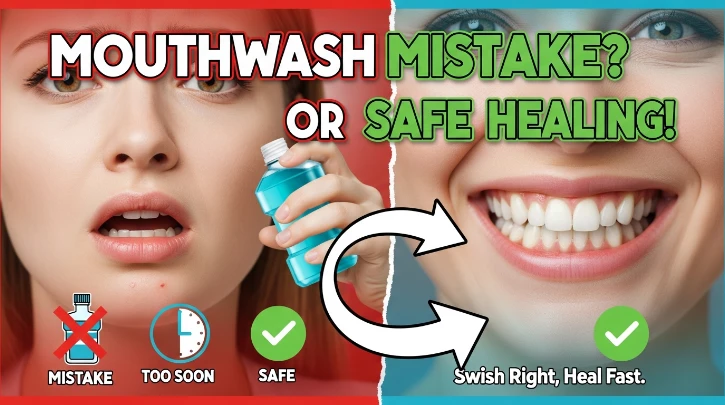
You can start using mouthwash 24 hours after your tooth extraction. For the first 24 hours, you must avoid any rinsing to protect the crucial blood clot that forms in the empty socket. Ignoring this advice can lead to painful complications like dry socket, slow healing, and severe discomfort. Keep reading to learn the exact steps to take, what mouthwashes are safe, and what to avoid, so you can heal quickly and avoid unnecessary pain. Your healing depends on this vital information.
Understanding Tooth Extraction: What Happens Inside Your Mouth?
A tooth extraction removes a tooth from its socket in your jawbone. This dental procedure is common. It becomes necessary when a tooth is too damaged to repair or causes other health issues. Understanding what happens helps you care for your mouth after the procedure.
Your dentist might suggest an extraction for several reasons. Severe decay can destroy a tooth beyond repair. Gum disease can loosen teeth, making them unstable. Sometimes, a tooth breaks deeply, making it impossible to save. Impacted wisdom teeth often need removal to prevent pain or crowding. Orthodontic treatment may also require extractions to create space. The goal is always to improve your overall oral health.
The extraction process involves careful steps. First, your dentist will numb the area completely. They will then gently loosen the tooth. Special tools help lift it from the socket. After the tooth is out, a blood clot forms. This clot is incredibly important for healing. It protects the bone and nerves underneath.
The Critical First 24 Hours: Protecting Your Blood Clot
The first 24 hours after your tooth extraction are the most vital for proper healing. During this time, a blood clot must form and stay put in the empty tooth socket. This clot acts like a natural bandage. It protects the sensitive bone and nerve endings. It also helps new tissue grow.
Dislodging this blood clot is a serious concern. If the clot comes out too soon, you can develop a painful condition called dry socket. Dry socket exposes the underlying bone and nerves to air and food particles. This exposure causes intense pain and delays healing significantly. It can also lead to infection. You will want to avoid dry socket at all costs.
To protect your blood clot, follow strict guidelines. Do not rinse your mouth in any way. Avoid spitting forcefully. Do not use straws for drinking. The suction from a straw can pull the clot right out. Steer clear of smoking, as this also creates suction and introduces harmful chemicals. Even vigorous exercise can increase blood pressure, possibly dislodging the clot. Follow these simple rules to ensure your initial healing is smooth.
When Can You Start Rinsing? The 24-Hour Rule
You can begin rinsing your mouth gently 24 hours after your tooth extraction. This wait period is crucial. It gives your blood clot time to stabilize in the socket. Once 24 hours have passed, gentle rinsing can help keep the area clean. This cleaning promotes better healing.
Your first rinses should be very gentle. Think of it as a subtle swish, not a vigorous gargle. The goal is to wash away food particles and bacteria. You do not want to disturb the healing site. Too much force can still dislodge the clot, even after 24 hours. Always be extremely careful.
The best choice for these initial rinses is a warm salt water solution. This natural remedy is very soothing. It helps reduce swelling and has antibacterial properties. Your dentist might also prescribe a special mouthwash. Always follow their specific instructions. Using plain tap water is generally not recommended right after extraction.
Choosing the Right Mouthwash: What to Use and What to Avoid
Selecting the correct mouthwash after tooth extraction is crucial for healing. Not all mouthwashes are safe or helpful during this sensitive time. The wrong choice can irritate the wound or delay your recovery. Focus on gentle, non-irritating options recommended by dental professionals.
The best choice for rinsing is a saline solution, also known as salt water. It is natural and promotes healing. Saline solution helps keep the extraction site clean. It reduces bacteria without harsh chemicals. This solution also helps soothe inflamed tissues. It creates a healthy environment for your gums to recover.
Your dentist might also prescribe a special mouthwash. These often contain chlorhexidine. Chlorhexidine is a strong antiseptic. It kills bacteria around the extraction site. Use prescription mouthwashes exactly as directed. They are powerful and designed for specific situations. Do not use them longer than your dentist suggests. Using too much can stain your teeth or affect your taste.
Many common over-the-counter (OTC) mouthwashes are not suitable. You must avoid mouthwashes containing alcohol. Alcohol can burn and irritate the raw tissues. It can also dry out your mouth, which slows healing. Avoid products with strong flavors or harsh chemicals, too. These can also cause discomfort and damage. Always read the labels carefully. Look for alcohol-free options if you choose an OTC product later in your healing.
The table below helps compare different mouthwash types you might consider:
| Mouthwash Type | When to Use | Benefits | Things to Avoid |
|---|---|---|---|
| Warm Salt Water | After 24 hours, regularly | Natural, soothing, antibacterial, reduces swelling | None, if prepared correctly |
| Prescription (e.g., Chlorhexidine) | After 24 hours, if prescribed by the dentist | Strong antiseptic, targets specific bacteria | Alcohol, harsh chemicals, prolonged use (can stain teeth) |
| Alcohol-Free OTC | After 3-5 days, with caution | Freshens breath, some antibacterial action | Strong flavors, artificial colors, or any irritation |
| Alcohol-Based OTC | NEVER after extraction | Not suitable, irritates the wound, dries tissues | Alcohol, strong flavors, harsh chemicals |
Making Your Own Saline Solution
Crafting your own saltwater rinse is simple and highly effective. This homemade solution provides gentle cleaning. It also soothes the extraction site without any harsh chemicals. You likely have the ingredients in your kitchen already.
To make it, mix one-half teaspoon of salt into eight ounces of warm water. Use table salt or sea salt. Make sure the salt fully dissolves. The water should be warm, not hot. Hot water can increase swelling. The warmth helps with comfort and circulation.
This simple saline solution offers many benefits. It helps wash away food particles gently. Salt has natural antiseptic properties. This can help prevent infection. It also reduces inflammation and swelling. You can make a fresh batch for each rinse. It is a cost-effective and natural way to support your healing process.
Prescription Mouthwash: When Your Dentist Recommends It
Your dentist might prescribe a special mouthwash after a complex extraction. This is not always necessary for every patient. These prescribed rinses offer targeted benefits. They can greatly aid in healing certain situations.
Common prescription mouthwashes contain chlorhexidine gluconate. This powerful antimicrobial agent kills many types of bacteria. It helps keep the surgical site very clean. This reduces the risk of infection. It also helps manage inflammation. Your dentist will tell you if you need it.
Use this mouthwash exactly as directed by your dentist. They will provide specific instructions for frequency and duration. Typically, you will use it twice a day for a limited period. Do not use it more often or longer than advised. Overuse can cause side effects like temporary tooth staining or changes in taste. Always follow your dentist’s expert advice for your best recovery.
Over-the-Counter Mouthwashes: A Closer Look
Most commercial over-the-counter (OTC) mouthwashes are not recommended immediately after extraction. Many contain ingredients that can harm the delicate healing tissues. You must understand what to look for and what to avoid. Choosing wisely protects your recovery.
Many OTC mouthwashes contain alcohol. Alcohol is a powerful drying agent. It can irritate the open wound. It can also break down the blood clot. This greatly increases your risk of dry socket. Always check the ingredient list for alcohol. Even a small amount can cause issues.
Some alcohol-free OTC mouthwashes might seem okay. Still, many contain strong flavors, dyes, or other chemicals. These can also irritate. It is best to stick to salt water for the first few days. If you wish to use an OTC rinse later, choose an alcohol-free, mild-flavored option. Always consult your dentist first. They can recommend a specific brand or advise against it entirely.
The Proper Rinsing Technique: Gentle Care is Key
Using the correct rinsing technique is just as important as choosing the right mouthwash. A gentle approach protects the vulnerable extraction site. Aggressive rinsing can easily dislodge the protective blood clot. This can lead to significant pain and delay your healing.
When you rinse, take a small sip of your chosen solution. Gently swish it around your mouth. Do not gargle or vigorously slosh it. Let the liquid flow over the extraction site naturally. The movement should be very subtle. You are aiming to clean, not to scrub.
After swishing for about 30 seconds, let the liquid fall out of your mouth. Do not spit forcefully. Simply tilt your head over the sink and let gravity do the work. Spitting creates suction. This suction can pull the blood clot from its socket. This is a common cause of dry socket. Rinse gently, three to four times a day, especially after meals. Continue this for at least a week, or as your dentist advises. Your carefulness now ensures a smoother recovery.
Beyond Mouthwash: Other Post-Extraction Care Tips
Mouthwash is just one part of your healing journey after a tooth extraction. Comprehensive care ensures a faster, more comfortable recovery. You need to manage pain, reduce swelling, and be mindful of what you eat. Good overall oral hygiene is also crucial. Following these tips helps prevent complications and promotes quick healing.
Proper care extends to several areas of your daily routine. What you eat and drink directly impacts the healing site. How you clean your mouth, beyond rinsing, is also important. Even seemingly unrelated habits like smoking can affect your recovery. Taking a holistic approach will make a big difference in your post-extraction experience.
Managing Pain and Swelling
Pain and swelling are common after a tooth extraction. Effective management helps you stay comfortable during recovery. There are simple steps you can take to control these symptoms. Being proactive makes a big difference in your comfort.
Applying an ice pack to your face helps reduce swelling. Place it on the cheek near the extraction site. Use it for 20 minutes on, 20 minutes off. Do this for the first 24 to 48 hours. The cold helps constrict blood vessels, minimizing swelling and bruising.
Your dentist will likely recommend pain medication. This could be over-the-counter options like ibuprofen or acetaminophen. For more severe pain, they might prescribe stronger medication. Take pain relievers as directed. Do not wait for the pain to become unbearable before taking them. Staying ahead of the pain makes recovery much easier.
Eating After Extraction: Soft Foods are Your Friend
Your diet plays a significant role in your post-extraction healing. For the first few days, sticking to soft foods is crucial. Hard, crunchy, or chewy foods can irritate the wound. They can also dislodge the blood clot or get stuck in the socket. Making smart food choices helps prevent complications and promotes faster healing.
Immediately after surgery, focus on very soft, cool foods. Examples include yogurt, applesauce, mashed potatoes, and soups (lukewarm, not hot). Scrambled eggs and smoothies without straws are also good choices. These foods require minimal chewing. This reduces stress on the extraction site. They also provide needed nutrients without risking damage.
Avoid foods that are hot, spicy, or have small seeds or grains. These can irritate the wound or get lodged in the socket. Do not drink alcohol or use a straw. Continue a soft diet for several days. Gradually introduce more solid foods as your comfort allows. Listen to your body and your dentist’s advice.
Brushing Your Teeth After Extraction
Maintaining oral hygiene is important, even after an extraction. However, you need to be very careful around the surgical site. Proper brushing prevents infection without disturbing the healing process. Follow your dentist’s instructions closely for the best results.
You can typically brush your teeth the day after your extraction. Use a soft-bristled toothbrush. Be extremely gentle near the extraction site. Avoid brushing directly over the empty socket for several days. You want to clean the other teeth and gums without touching the wound.
When brushing, use light pressure. Do not scrub vigorously. Focus on gently cleaning the surfaces of your teeth. You can use your regular toothpaste. Remember, no forceful spitting after brushing. Let the toothpaste and water gently fall out of your mouth. Your dentist may advise a specific technique or suggest waiting longer, depending on your individual case.
Warning Signs: When to Call Your Dentist Immediately
While most tooth extractions heal without problems, complications can arise. Knowing the warning signs is crucial. If you experience certain symptoms, contact your dentist right away. Early intervention can prevent more serious issues. Trust your instincts if something feels wrong.
One major concern is excessive bleeding. Some oozing is normal for the first 24 hours. If bleeding becomes heavy or does not stop after applying pressure, seek help. Soaking gauze pads completely within an hour is a sign of too much bleeding.
Severe or worsening pain is another red flag. If your pain suddenly gets much worse a few days after extraction, it could be a dry socket. Dry socket pain often radiates to your ear or temple. It feels like a throbbing, aching pain. This needs immediate dental attention.
Other signs to watch for include:
- Fever: A fever can indicate an infection.
- Increased swelling: Swelling should typically decrease after the first few days. If it gets worse, it could be an infection.
- Pus or bad taste: Foul-smelling discharge or a persistent bad taste can signal an infection.
- Numbness: Prolonged numbness beyond the expected anesthetic wear-off time.
- Difficulty swallowing or breathing: These are serious symptoms requiring immediate medical attention.
Do not hesitate to call your dental office if you notice any of these symptoms. It is always better to be safe. Your dentist can assess the situation and provide the necessary treatment. Ignoring these signs can lead to prolonged discomfort or more serious health problems.
Conclusion
Caring for your mouth after a tooth extraction is key to fast, complication-free healing. Remember the 24-hour rule: no rinsing, spitting, or straws initially. After that, gentle saltwater rinses become your best friend. Always choose your mouthwash wisely, avoiding alcohol and harsh chemicals. Follow your dentist’s instructions, manage pain and swelling, and eat soft foods. By protecting your blood clot and practicing careful oral hygiene, you can ensure a smooth recovery and get back to feeling your best quickly. Your diligence now ensures your comfort and health later.
Frequently Asked Questions (FAQ)
Can I use regular mouthwash right away?
No, you should not use regular mouthwash right away. Most commercial mouthwashes contain alcohol or harsh chemicals that can irritate the wound and dislodge the blood clot. Wait at least 24 hours, and then opt for a warm salt water rinse.
Is it okay to spit after a tooth extraction?
You should avoid spitting for at least the first 24 hours after a tooth extraction. Spitting creates suction in your mouth, which can dislodge the vital blood clot and lead to a painful condition called dry socket. Gently let any liquid fall out of your mouth instead.
How long do I need to do saltwater rinses?
You should continue gentle saltwater rinses several times a day for at least a week after your tooth extraction. This helps keep the area clean, reduces bacteria, and promotes healing. Your dentist may advise you to continue longer, depending on your recovery.
What is a dry socket, a nd how can I avoid it?
Dry socket happens when the blood clot in your extraction site breaks down or gets dislodged too early. This leaves the bone and nerves exposed, causing severe pain. You can avoid it by not rinsing, spitting, or using straws for 24 hours, and by avoiding smoking.
Can I drink through a straw after extraction?
No, you must not drink through a straw after a tooth extraction. The suction created by using a straw can easily pull the protective blood clot out of its socket, which can lead to a very painful dry socket. Avoid straws for at least the first 3-5 days.
Disclaimer: This article provides general information about post-tooth extraction care and mouthwash use. It is not a substitute for professional dental advice. Always consult with your dentist or oral surgeon for personalized instructions and care specific to your individual condition and procedure. If you experience any severe pain, excessive bleeding, or signs of infection, contact your dental professional immediately.