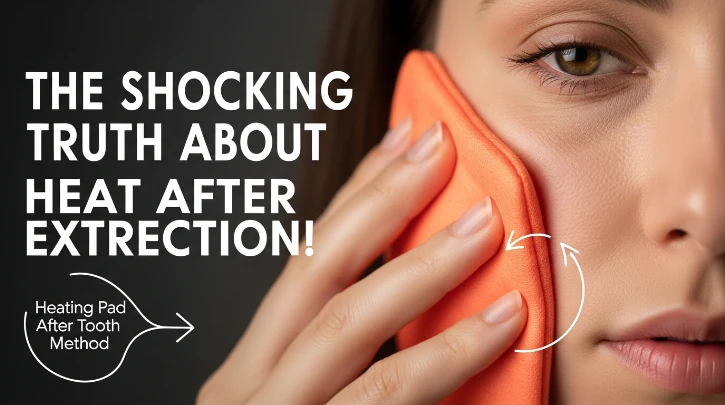
No, you should not use a heating pad directly on your face or near the extraction site immediately after a tooth extraction. Applying heat too soon can increase blood flow to the area, which might worsen swelling, encourage more bleeding, and delay the formation of a crucial blood clot needed for healing. Protecting your healing is paramount for a smooth recovery. Your choices now prevent painful complications later. Keep reading to learn how to heal quickly and safely, avoiding risks that could lead to discomfort or even a painful dry socket.
Understanding Tooth Extraction Recovery
When you have a tooth pulled, your body begins a vital healing process. This healing journey involves several stages. Knowing what happens helps you care for yourself better.
The Immediate Healing Process Begins
After your dentist removes a tooth, a wound remains in your jawbone. This area needs to form a strong blood clot. The blood clot acts like a natural bandage. It protects the exposed bone and nerve endings. This clot is crucial for proper healing to start.
Your body works hard to close this wound. New tissue will start to grow over the clot. This process takes time and careful attention. Your role in recovery is to support this natural healing. Following post-operative instructions helps avoid problems.
Why Heat is a Bad Idea After Extraction
Applying heat too early to an extraction site can cause significant problems. Your body needs to manage blood flow and inflammation carefully. Heat works against this delicate balance.
Increased Blood Flow and Bleeding Risk
Heat makes blood vessels open wider. This action brings more blood to the treated area. More blood flow can restart bleeding at the extraction site. It might also prevent the blood clot from forming properly. A dislodged or improperly formed blood clot can lead to severe pain. This pain is often a sign of a very common complication. You want to avoid this at all costs.
Swelling and Inflammation
Swelling is a normal part of healing after surgery. However, excessive swelling causes more discomfort. Heat can make this swelling worse. It can increase inflammation in the surrounding tissues. Your goal is to reduce inflammation, not add to it. Managing swelling helps speed up your recovery time. It also makes you feel much more comfortable.
Risk of Dry Socket
A dry socket is a painful condition. It happens when the blood clot dislodges too soon. This leaves the bone and nerves exposed. It is one of the most common and painful complications. Heat can contribute to dry socket formation. Increased blood flow and swelling might disturb the clot. Protecting that clot is your most important job. This prevents intense pain and a longer healing period.
The Power of Cold Therapy
Unlike heat, cold therapy is highly beneficial immediately after a tooth extraction. Cold helps your body manage the initial trauma. It reduces discomfort and supports proper healing.
How Cold Reduces Swelling and Pain
Cold causes blood vessels to narrow. This action reduces blood flow to the extraction site. Less blood flow means less swelling. It also helps control any bleeding. Cold also numbs the area slightly. This provides natural pain relief. Using cold therapy can make your first few days much more bearable. It is a key part of post-extraction care. The American Dental Association often recommends cold compresses for dental swelling.
Proper Cold Application
Using cold therapy correctly is very important. You need to apply it gently and for specific periods. This ensures you get the benefits without any harm.
Here’s how to use cold therapy:
- Use an ice pack wrapped in a cloth. Do not apply ice directly to your skin.
- Place the wrapped ice pack on the outside of your cheek. Position it near the extraction site.
- Apply cold for 15-20 minutes at a time.
- Remove the ice pack for 15-20 minutes.
- Repeat this cycle for the first 24-48 hours after surgery.
- Consistency is key during this initial period.
This method helps minimize swelling effectively. It also provides comfort during the crucial early healing stages.
Essential Aftercare Tips for a Smooth Recovery
Beyond cold therapy, many other steps ensure a successful recovery. Following these guidelines helps prevent complications. They also promote faster healing.
Managing Pain After Tooth Extraction
Pain is normal after a tooth extraction. Your dentist will likely prescribe pain medication. Follow their instructions carefully. Over-the-counter pain relievers can also help. These include ibuprofen or acetaminophen. Always check with your dentist before taking any new medication. Managing pain effectively improves your overall comfort. It also allows you to rest better, which aids healing.
Eating Wisely to Protect Your Extraction Site
What you eat makes a big difference in healing. For the first few days, choose soft foods. Avoid anything hard, crunchy, or chewy. Do not drink through a straw. The suction can dislodge your blood clot. Stick to liquids and soft foods. These can include yogurt, mashed potatoes, and soups. Slowly reintroduce other foods as you feel better. Proper nutrition supports your body’s healing efforts.
Oral Hygiene Without Disturbing the Clot
Keeping your mouth clean is vital. However, be very gentle around the extraction site. Do not rinse your mouth vigorously. Do not spit forcefully. These actions can dislodge the blood clot. Your dentist may suggest a special rinse. They might also tell you to use warm salt water rinses after 24 hours. Gently brush your other teeth. Avoid brushing directly on the wound for a few days. Maintaining good hygiene prevents infection. This is crucial for successful healing. Proper oral care significantly reduces the risk of complications. For guidance on dental hygiene, visit the American Dental Association’s MouthHealthy website.
Rest and Activity Restrictions
Rest is a powerful healing tool. Avoid strenuous activities for at least 24-48 hours. Heavy lifting or intense exercise can increase bleeding. It can also dislodge your blood clot. Elevate your head when you lie down. This helps reduce swelling. Give your body the time it needs to recover fully. Pushing yourself too hard can prolong your healing. A good rest period is essential for recovery. The National Institutes of Health emphasizes the importance of rest in wound healing.
When to Call Your Dentist
Most extractions heal without problems. However, some signs mean you should call your dentist. Knowing these signs is important for your health. Do not hesitate to seek professional advice.
Contact your dentist if you experience:
- Severe pain that does not improve with medication.
- Bleeding that doesn’t stop after applying pressure for several hours.
- Pus or signs of infection around the extraction site.
- Fever or chills.
- Numbness that lasts more than 24 hours.
- Swelling that increases significantly after 2-3 days.
- An unpleasant taste or smell in your mouth, which could indicate infection or a dry socket.
These symptoms could indicate a complication. Early detection and treatment are important. Your dentist can assess the situation. They will provide the best course of action. Always follow their specific advice.
Navigating the Healing Timeline After Tooth Extraction
Understanding the typical healing timeline can set your expectations. The process unfolds in stages. Each stage has specific characteristics. Knowing these can help you monitor your recovery.
The healing journey progresses in distinct phases. The following information outlines what you might experience during your recovery.
| Timeframe | What to Expect | Recommended Action |
|---|---|---|
| First 24 Hours | Bleeding, swelling, and mild to moderate pain. Blood clot forms. | Use a cold compress, gentle rinsing (after 12 hours), soft foods, rest, and pain medication as prescribed. No straws. |
| Days 2-3 | Swelling peaks, then slowly starts to decrease. Pain gradually lessens. | Continue cold compress (if needed), warm salt water rinses (after 24 hours), continue soft diet, and gentle oral hygiene. |
| Days 4-7 | Significant reduction in swelling and pain. Initial healing of gum tissue. | Gradually introduce normal foods, continue gentle oral hygiene, and monitor for complications like dry socket. |
| Weeks 1-2 | Gum tissue mostly healed over the extraction site. Bone healing begins. | Return to normal diet and activities, continue good oral hygiene. |
| Months 1-3 | Bone continues to remodel and fill in the socket. | Follow up with your dentist as advised for checks or future treatment plans. |
This table provides a general guide. Your personal healing might vary slightly. Always listen to your body. Report any concerns to your dental professional.
Common Misconceptions About Post-Extraction Care
Many myths exist about caring for your mouth after an extraction. Sorting fact from fiction is vital. Knowing the truth helps you make good choices for your health.
Beliefs That Can Harm Your Recovery
Some people believe that very hot or very cold foods help healing. This is untrue. Extreme temperatures can irritate the healing tissue. Another myth suggests that pain is always a bad sign. Some pain is normal, but severe pain needs attention. You might think you can resume all normal activities right away. This can dislodge the blood clot. Always follow your dentist’s specific instructions. They are tailored for your best outcome. Rely on trusted information, not old wives’ tales. Trusting your dentist’s advice is key. Organizations like the American Dental Association offer reliable information.
Your Role in Preventing Complications
Your active participation in post-operative care is crucial. You have the power to influence your healing process significantly. Making smart choices helps prevent problems.
Protecting Your Healing with Knowledge and Action
Following your dentist’s instructions is your best defense. Avoid smoking, as it severely hinders healing. Do not spit or rinse forcefully. These actions protect the blood clot. Rest is not a luxury; it is a necessity. Keep your mouth clean, but be gentle. Your diligence now pays off later. It ensures a faster, smoother, and less painful recovery. You are the most important part of your healing team. By taking care of yourself, you reduce the chances of complications. This proactive approach leads to the best possible outcome. Every step you take contributes to your oral health. Your commitment to proper care is a true investment. It pays dividends in comfort and peace of mind.
Understanding the do’s and don’ts after a tooth extraction empowers you. You can confidently navigate your recovery. Remember, cold is your friend in the beginning, and heat should be avoided. Prioritize rest, gentle care, and proper nutrition. Following these simple steps ensures a much smoother and pain-free healing journey. Your healthy smile is worth the effort.
Frequently Asked Questions
Can I use a warm compress after 48 hours?
Yes, after the initial 48 hours, a warm compress may help reduce residual swelling and ease jaw stiffness. Always check with your dentist first for personalized advice.
What is a dry socket?
A dry socket is a painful condition that occurs when the blood clot at the extraction site dislodges or dissolves too early, exposing the bone and nerves.
When can I resume normal eating after a tooth extraction?
You can usually start introducing softer, more solid foods after 3-7 days, depending on your healing progress and your dentist’s specific instructions.
Is it normal to have some bleeding after tooth extraction?
Some minor bleeding or oozing is normal for the first 24 hours. If bleeding is heavy or constant, contact your dentist immediately.
Disclaimer: The information provided in this article is for general knowledge and informational purposes only, and does not constitute medical advice. It is essential to consult with a qualified dental professional for any health concerns or before making any decisions related to your health or treatment.