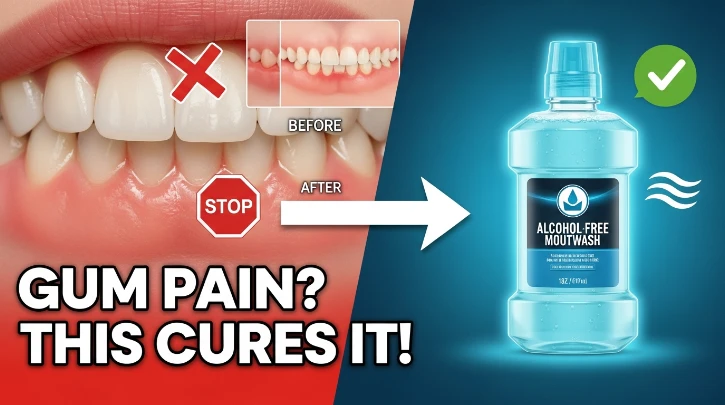
You can use alcohol free mouthwash after tooth extraction, but wait for at least 24 hours. Your dentist will give you specific instructions. Follow these closely to ensure proper healing. Using the right mouthwash helps keep your mouth clean. It avoids irritating the delicate extraction site. Ignoring proper care can lead to serious problems like dry socket. Read on to protect your healing smile and prevent painful complications that could set back your recovery!
Why Alcohol Free Mouthwash Matters After Extraction
Choosing an alcohol free mouthwash is crucial after a tooth extraction. Alcohol can irritate the wound. It dries out your mouth. This irritation slows down healing. It might even cause more pain.
Your mouth needs to heal gently. The extraction site is a fresh wound. Think of it like a cut on your skin. You wouldn’t pour harsh chemicals on it. Alcohol in mouthwash is too strong. It can sting and burn the tender tissue. This harshness can disturb the blood clot forming in the socket. The blood clot is vital for healing.
Alcohol also dries out your mouth. A dry mouth can increase bacteria. Bacteria can lead to infection. Keeping your mouth moist is important for recovery. Alcohol free options are much kinder. They clean without causing harm.
Using alcohol free mouthwash keeps the wound area clean. It removes food particles and bacteria. This helps prevent infection. Infection can cause significant pain. It can also delay your recovery process. Your body needs a calm environment to mend itself. Alcohol free rinses provide this gentle care.
When You Can Start Using Mouthwash Safely
You should wait to use any mouthwash after your tooth extraction. Most dentists recommend waiting at least 24 hours. This initial waiting period is very important. It allows a vital blood clot to form in the empty socket.
The blood clot acts like a natural bandage. It protects the exposed bone and nerves. Disturbing this clot can lead to a painful condition called dry socket. Dry socket happens when the clot dislodges too soon. This exposes the raw bone. It can cause intense pain and a foul taste.
After the first 24 hours, you can gently rinse. Always follow your dentist’s specific advice. Some dentists might suggest waiting longer. Your healing process is unique. Listen to their personalized instructions. They know your specific situation best.
Using mouthwash too soon or too vigorously is risky. Even alcohol-free rinses need care. A gentle swishing motion is key. Do not spit forcefully. Let the liquid spill out of your mouth instead. This prevents the dislodging of the protective blood clot. Patience in these first days is a virtue for proper healing.
How to Rinse Your Mouth Properly After Tooth Extraction
Rinsing your mouth after a tooth extraction requires a very gentle touch. Do not swish vigorously. This could dislodge the critical blood clot. That clot protects the healing site. Losing it causes a painful dry socket.
Instead, take a small amount of the alcohol-free mouthwash. Hold it gently over the extraction site. Tilt your head slightly. Let the mouthwash bathe the area. Allow it to sit there for a few seconds. This cleans the area without force.
When you are ready, let the liquid slowly drip out of your mouth. Do not spit it out. Spitting creates suction. This suction can pull the blood clot away. Lean over the sink and let gravity do the work. This gentle method keeps your healing safe.
Repeat this gentle rinse a few times a day. Your dentist will tell you how often. Often, it’s after meals and before bed. Always use lukewarm water if you are rinsing with just water. Extreme temperatures can shock the healing tissue. Keep your actions soft and mindful. This protects your healing journey.
Understanding the Benefits of Alcohol Free Mouthwash
Alcohol free mouthwash offers many advantages during your recovery. It cleans without irritating. This promotes faster and more comfortable healing. Your mouth feels fresher without the sting.
Key benefits include:
- Gentle Cleaning: It removes food particles and bacteria. This happens without harsh chemicals.
- Reduced Irritation: No alcohol means no burning or stinging. The extraction site stays calm.
- Promotes Healing: A calm environment helps your body repair tissue. Less irritation means better healing.
- Prevents Dry Mouth: Alcohol dries your mouth. Alcohol free options keep it moist. A moist mouth is healthier.
- Freshens Breath: It helps control bacteria that cause bad breath. This happens while still being gentle.
- Low Risk of Dry Socket: Less irritation helps keep the blood clot in place. This reduces dry socket risk.
Choosing an alcohol free option helps you feel better. It supports your body’s natural healing process. This simple choice makes a big difference in your post-extraction comfort and recovery speed. Your gums will thank you for this gentle care.
Types of Alcohol Free Mouthwash Recommended Post Extraction
Several types of alcohol free mouthwash are suitable after a tooth extraction. Your dentist might suggest specific ones. Always ask for their advice. These rinses are designed to be gentle and effective.
Commonly recommended types include:
- Saline Rinses: This is often the first choice. You can make it at home. Mix half a teaspoon of salt into a cup of warm water. It’s very gentle and natural. Saline helps reduce swelling. It also aids in cleaning the wound.
- Chlorhexidine Gluconate (CHX) Rinses: Your dentist might prescribe this. It is a powerful antiseptic. CHX mouthwash kills bacteria. It greatly reduces the risk of infection. Use it exactly as directed. It usually comes in a specific concentration, often 0.12%.
- Fluoride Rinses (Alcohol Free): Some alcohol-free fluoride rinses are safe. They help strengthen remaining teeth. Ensure they are explicitly marked “alcohol free.” Avoid any that contain alcohol.
- Herbal/Natural Rinses: Certain herbal rinses might be suitable. Look for options with soothing ingredients. Examples include aloe vera or chamomile. Always check with your dentist first. Ensure they are free of alcohol and harsh additives.
The best choice depends on your specific needs. Your dentist will guide you. They consider your healing progress and any potential risks. Following their recommendation is crucial for a smooth recovery.
What to Absolutely Avoid After a Tooth Extraction
Avoiding certain things after a tooth extraction is just as important as what you should do. These actions can seriously harm your healing. They can lead to painful complications. Be very careful in the days following your procedure.
You must avoid:
- Smoking and Vaping: Nicotine and the act of puffing create suction. This can dislodge the blood clot. Chemicals also restrict blood flow. This greatly increases dry socket risk and slows healing.
- Drinking Through a Straw: The sucking motion from a straw creates strong suction. This can pull the blood clot out of the socket. Avoid straws completely for at least a week.
- Alcoholic Beverages: Alcohol can interfere with blood clotting. It can also irritate the wound. Avoid all alcoholic drinks during your recovery.
- Hot Liquids and Foods: Extreme heat can dissolve the blood clot. It can also increase swelling. Stick to cool or lukewarm foods and drinks.
- Hard, Crunchy, or Chewy Foods: These foods can get stuck in the socket. They can also reopen the wound. Eat soft foods for the first few days.
- Vigorous Rinsing or Spitting: As mentioned, these actions create suction. They disturb the blood clot. Be very gentle with any mouth rinsing.
- Touching the Extraction Site: Do not poke or prod the wound with your fingers or tongue. This can introduce bacteria. It can also dislodge the clot.
- Strenuous Exercise: Physical activity can increase blood pressure. This might cause bleeding at the site. Rest and avoid heavy lifting for a few days.
Being diligent about these precautions protects your healing. It helps you avoid pain. It ensures a smoother, faster recovery. Your long-term oral health depends on careful post-extraction care.
Understanding the Risk of Dry Socket
Dry socket is a serious and painful complication. It happens after a tooth extraction. Normally, a blood clot forms in the socket. This clot protects the bone and nerves. It is vital for healing.
If this blood clot dislodges too soon, you get a dry socket. The underlying bone and nerve endings become exposed. This exposure causes intense, throbbing pain. The pain can spread to your ear, eye, or neck. It is far worse than the normal discomfort of extraction.
The empty socket will look hollow. You might see bone. There can also be a foul odor. A bad taste often accompanies a dry socket. This condition needs immediate dental attention. Your dentist will clean the socket. They will then place a medicated dressing. This dressing helps soothe the pain. It also protects the area.
Several actions increase your risk. Smoking is a major factor. Drinking through a straw also poses a risk. Vigorous rinsing or spitting can dislodge the clot. Not following post-extraction instructions can lead to this painful issue. Prevent dry socket by being very careful. Follow all your dentist’s advice. This small effort saves you from a lot of suffering.
Other Essential Aftercare Tips for a Smooth Recovery
Good aftercare ensures a smooth and quick recovery after tooth extraction. Beyond mouthwash, many steps contribute to healing. Your comfort and oral health depend on these actions. Pay close attention to each one.
Pain Management and Swelling Control
Managing pain and swelling is crucial. Use pain relievers as directed by your dentist. Over-the-counter options like ibuprofen can help. Your dentist might prescribe stronger medication if needed. Take it only as prescribed.
Apply an ice pack to your face. Do this on the outside of your cheek. Place it near the extraction site. Use it for 15-20 minutes at a time. Then take a break for 15-20 minutes. This helps reduce swelling. Continue for the first 24-48 hours. Swelling should start to decrease after two to three days.
Dietary Considerations
Stick to soft foods. This protects the healing area. Yogurt, applesauce, mashed potatoes, and soup are good choices. Avoid hot foods and drinks. Let everything cool to lukewarm. Do not eat crunchy or hard foods. These can damage the clot. Also, avoid sticky foods that might pull on the wound. Gradually reintroduce normal foods as you heal. Do this only when you feel comfortable.
Oral Hygiene Beyond Rinsing
Maintain general oral hygiene. Brush your teeth gently. Avoid the extraction site itself for a few days. Brush surrounding teeth carefully. This keeps your mouth clean overall. A clean mouth helps prevent infection. After a few days, you can carefully brush the extraction site. Use a very soft brush. Be incredibly gentle.
Rest and Recovery
Rest is very important. Avoid strenuous activities for at least 24-48 hours. Elevate your head when you sleep. This helps reduce swelling. Listen to your body. Do not push yourself too hard. Proper rest allows your body to focus energy on healing. This speeds up your recovery significantly.
When to Contact Your Dentist
Know when to seek professional help. Contact your dentist if you experience severe pain. This pain might not ease with medication. Persistent bleeding is also a concern. Watch for signs of infection. These include fever, swelling that worsens, or pus. If you suspect dry socket, call your dentist immediately. Early intervention can prevent further complications. Never hesitate to reach out with concerns.
Comparing Alcohol Free vs. Alcohol Based Mouthwash
Understanding the differences between mouthwash types helps you make the best choice. Especially after a tooth extraction, the right rinse protects your healing. The table below illustrates key distinctions.
| Feature | Alcohol Free Mouthwash | Alcohol Based Mouthwash |
|---|---|---|
| Irritation | Very low, gentle on tissues | High, can sting and burn |
| Dry Mouth | Does not cause dry mouth | Can cause significant dry mouth |
| Taste | Often milder, more pleasant | Strong, sometimes burning sensation |
| Post-Extraction Use | Recommended after 24 hours | Not recommended, harmful to healing |
| Impact on Blood Clots | Minimal risk with gentle use | High risk of dislodging due to irritation and dryness |
| Long-Term Use | Safe for daily, long-term use | It can cause tissue damage, not ideal for daily use |
| Suitability for Sensitive Gums | Excellent choice | Poor choice, can worsen sensitivity |
The table highlights why alcohol-free options are superior. Especially during sensitive healing periods, they offer safety and comfort. Choosing alcohol-free ensures your mouth heals efficiently. It avoids unnecessary pain or complications.
Making smart choices after your tooth extraction is vital. Your recovery truly depends on it. Using alcohol free mouthwash after tooth extraction, following all care instructions, and being gentle with your mouth will help ensure a swift, pain-free healing process. Your beautiful, healthy smile is worth protecting. Don’t risk it by taking shortcuts.
FAQs About Post-Extraction Mouthwash
How long should I use salt saltwater rinse after extraction?
You should use a warm saltwater rinse for at least one week after your extraction. Continue for as long as your dentist advises. It helps keep the wound clean. It also aids in healing.
Can I brush my teeth after an extraction?
Yes, you can brush your teeth gently after extraction. Avoid the extraction site itself for the first 24 hours. Be very careful around the healing area. Use a soft-bristled toothbrush.
What are the signs of a dry socket?
Signs of dry socket include severe, throbbing pain days after the extraction. The pain may spread to your ear or neck. You might see an empty socket. A bad taste or smell can also occur.
Is Listerine alcohol free mouthwash safe after a tooth extraction?
Many Listerine products contain alcohol. Look for specific Listerine Zero or other alcohol-free versions. Always check the label carefully. Consult your dentist for their recommendation.
When can I eat normally after a tooth extraction?
You can gradually return to normal foods as you feel comfortable. This usually takes about 3-7 days. Start with soft foods and slowly introduce harder items. Listen to your body’s signals.
Disclaimer: This article provides general information and is not a substitute for professional medical or dental advice. Always consult with your dentist or healthcare provider for any health concerns or before making any decisions related to your health or treatment.