You absolutely can swallow after a tooth extraction, and you will need to do so to manage saliva and consume soft foods and liquids. While it might feel different or even a little sore, your body’s natural swallowing reflex remains intact. You must swallow carefully to avoid disturbing the extraction site, especially in the first 24 hours. Ignoring proper care after a tooth extraction can lead to painful complications like a dry socket. Your vigilance now ensures a quicker, more comfortable healing journey. Keep reading to learn how to swallow safely and protect your recovery from start to finish. Don’t risk a painful setback!
Understanding Your Body After a Tooth Extraction
Your body begins a healing process right after a tooth is pulled. This natural response helps you recover quickly. Knowing what happens inside your mouth can ease your worries.
A blood clot forms in the empty socket. This clot is super important. It protects the bone and nerves underneath. It acts like a natural bandage. Do not dislodge this clot. Protecting this clot is your main job for the first few days. Your comfort depends on it.
The Vital Role of the Blood Clot
The blood clot is the foundation of your healing. Think of it as a protective seal. It keeps food particles out and helps new tissue grow. Losing this clot can expose nerves, causing intense pain.
Maintaining the blood clot helps prevent a condition called dry socket. This happens when the clot comes out too soon. Dry socket is very painful. It slows down healing. Your dentist will give you specific instructions. Following them closely is key to avoiding this issue.
Immediate Post-Extraction Swallowing Guidelines
You can swallow right after your tooth extraction. It is a natural body function. But you need to be gentle. Your mouth will feel different. You might have gauze in place. Managing your saliva is important.
Swallow gently and without force. Do not create strong suction in your mouth. This suction can pull the blood clot out. Try to keep your head slightly elevated. This helps reduce swelling. It also makes swallowing a bit easier. Focus on small, controlled swallows.
Swallowing with Gauze in Your Mouth
Your dentist will likely place gauze over the extraction site. This helps stop the bleeding. It also helps the blood clot form. You will need to change this gauze as it becomes soaked. Your dentist will tell you when to remove it.
Swallowing with gauze might feel awkward. Try to swallow saliva around the gauze. Do not chew on the gauze. Gently press it in place if needed. Remove the gauze before eating or drinking. This prevents you from swallowing it by mistake. Replace it with fresh gauze if instructed.
Managing Saliva and Blood
You will have more saliva than usual. There might also be a small amount of blood. This mix can taste strange. Do not spit forcefully. Spitting creates suction. This suction can dislodge your blood clot. Instead, gently let the saliva and blood drain from your mouth into a sink. You can also carefully dab your mouth with a clean tissue. This keeps the extraction site undisturbed.
Eating and Drinking After Extraction: Swallowing Safely
Eating and drinking are crucial for your recovery. You need nutrition to heal. But you must choose your food wisely. Your dentist will give you a list of safe options. Stick to soft, cool foods for the first few days. These are easy to swallow without disturbing the wound.
Avoid hot foods and drinks. Heat can increase swelling. It can also dissolve the blood clot. Do not use straws. The sucking action of a straw is very dangerous. It can easily pull out the protective clot. Sip liquids directly from a cup. This simple change makes a big difference in your healing.
Recommended Foods for Easy Swallowing
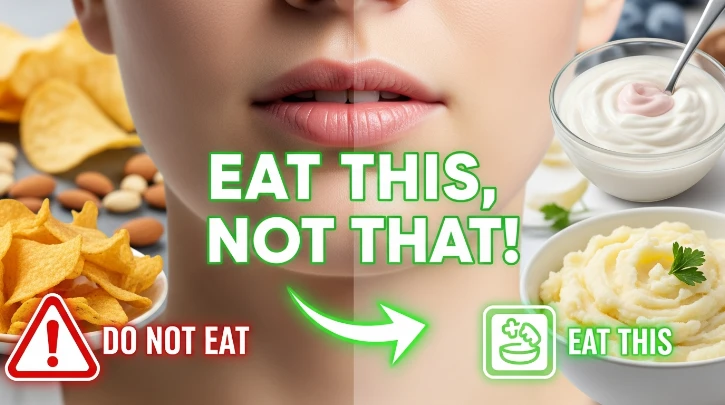
Soft foods are your friends after an extraction. They require little to no chewing. This keeps the pressure off your healing site. Consider a range of nutritious options to support your body’s repair process.
The following food types are generally safe during early recovery:
- Yogurt
- Applesauce
- Mashed potatoes
- Scrambled eggs
- Pudding
- Smoothies (without a straw)
- Soups (lukewarm, blended, no small pieces)
- Cooked pasta (very soft)
You will find these items easy to swallow. They provide needed energy and nutrients. Be sure to chew on the opposite side of your mouth from the extraction site. This minimizes disturbance to the healing area. Gradually introduce firmer foods as you feel more comfortable. Always listen to your body and your dentist’s advice.
Liquids to Help and Harm Your Recovery
Staying hydrated is very important. Drink plenty of water. Water helps keep your mouth clean. It also helps your body heal. Choose cool or lukewarm water. Avoid very cold or very hot drinks. They can irritate the sensitive area.
The table below highlights safe versus risky drinks after tooth extraction:
| Safe Drinks | Risky Drinks |
|---|---|
| Cool water | Alcohol (can delay healing) |
| Lukewarm tea (decaf) | Carbonated beverages (bubbles can dislodge a lot) |
| Non-acidic juices (diluted) | Hot coffee/tea (can increase swelling) |
| Milk/milkshakes (no straw) | Drinks with small seeds/pulp |
| Broth (lukewarm) | Energy drinks (often acidic) |
Remember, always sip your drinks. Do not use a straw. The suction is a major cause of dry socket. Your careful choices now speed up your healing time. Prioritize hydration with safe options for a smooth recovery.
Oral Hygiene and Swallowing
Keeping your mouth clean is vital after a tooth extraction. Good hygiene prevents infection. It also helps your wound heal faster. But you must clean gently. Harsh brushing or rinsing can harm the blood clot. Your dentist will provide specific cleaning instructions.
Gently rinse your mouth after 24 hours. Use a saltwater solution. Mix half a teaspoon of salt in a glass of warm water. Swish gently, then let the water fall out. Do not spit with force. Repeat this several times a day. This helps keep the area clean. It also reduces bacteria. This simple routine protects your healing.
Gentle Rinsing Techniques
Rinsing is key, but the method matters. Do not gargle or swish vigorously. This could disturb the delicate blood clot. Instead, take a small sip of your saltwater solution. Tilt your head slowly from side to side. Let the solution wash over the extraction site. After about 30 seconds, lean over the sink. Allow the water to trickle out of your mouth. Do not spit.
Repeat this gentle rinse after meals. Do it before bed and upon waking. Consistent, gentle rinsing helps remove food particles. It also reduces bacteria in your mouth. This lowers the risk of infection. Your careful approach to rinsing supports faster healing.
Brushing Your Teeth Safely
You can brush your teeth the day after surgery. But you must be very careful. Use a soft-bristled toothbrush. Avoid the extraction site itself. Brush all other teeth normally. Be extra gentle around the healing area. Do not poke or scrub the wound. Your goal is to keep your other teeth clean. This prevents plaque buildup. It also reduces bacteria that could reach the healing socket. Rinse your brush often. This keeps it clean. Slowly work back to your normal brushing routine as you heal. Consult your dentist if you are unsure.
Potential Complications and When to Seek Help
Most tooth extractions heal without problems. But sometimes complications can arise. Knowing what to look for is important. Early detection can prevent worse issues. Always follow your post-operative instructions carefully. They are designed to protect you.
Severe pain is not normal. Neither is excessive bleeding. If you experience these, call your dentist. Do not try to self-treat. Your dentist can help quickly. They can assess the situation. Then they can provide the right treatment. Trust your instincts if something feels wrong. Your health is the top priority.
Recognizing Dry Socket
Dry socket is a common complication. It is also very painful. It happens when the blood clot dislodges. This leaves the bone and nerves exposed. Pain usually starts a few days after surgery. The pain can spread to your ear or neck. You might also notice a bad taste or smell in your mouth. Your socket may look empty. You might even see bone. If you suspect dry socket, contact your dentist right away. They can clean the area. They will also place a medicated dressing. This will help relieve the pain. For more information on dry socket, consult resources like the Mayo Clinic’s guide on dry socket.
Dealing with Persistent Bleeding
Some oozing of blood is normal after extraction. It can mix with saliva. This makes it look like more blood than it is. But heavy, bright red bleeding is not normal. If bleeding won’t stop, try biting firmly on a fresh piece of gauze. Maintain constant pressure for 30-60 minutes. Avoid frequently checking the gauze. This can disrupt clot formation. If bleeding continues after this, contact your dentist. They might need to apply more pressure. They may also use stitches or other methods to stop the bleeding. A prolonged bleeding episode can be alarming. Your dental professional is there to help manage it effectively.
Signs of Infection
Infection is another potential risk. It happens when bacteria get into the wound. Symptoms of infection include increasing pain. You might also see swelling. Pus draining from the site is a clear sign. A fever can also indicate infection. Your lymph nodes might feel tender. These are located in your neck. If you notice any of these signs, call your dentist. You might need antibiotics. Ignoring an infection can lead to more serious health problems. Prompt treatment is always best. Dental professionals stress the importance of immediate care for infections, as highlighted by sources such as the American Dental Association on oral infections.
Medication Management and Swallowing
Your dentist will likely prescribe medicines. These help manage pain and prevent infection. You must take them as directed. Always swallow pills with a full glass of water. Do not try to chew pain pills. This is not how they are designed to work. Follow the dosage instructions carefully. Taking too much medicine can be dangerous. Taking too little might not help your pain.
Antibiotics are sometimes prescribed. Finish the entire course of antibiotics. Do not stop taking them early. Even if you feel better, the infection could return. Always ask your dentist or pharmacist if you have questions. They can help you understand your medications. This ensures a safe and effective recovery.
Pain Relief Strategies
Pain after an extraction is normal. Your dentist will recommend pain relief. This might include over-the-counter options. Ibuprofen or acetaminophen often works well. Stronger pain medications might be prescribed for severe pain. Take these as directed. Do not exceed the recommended dose.
Cold compresses can also help. Apply an ice pack to your cheek. Do this for 20 minutes on, 20 minutes off. This helps reduce swelling and pain. Do this especially in the first 24-48 hours. Keep your head elevated. This also reduces swelling. Resting helps your body heal. Avoid strenuous activity. Listen to your body and take it easy. A combination of approaches works best for pain management.
Taking Antibiotics as Prescribed
If your dentist prescribes antibiotics, take them seriously. Antibiotics fight bacterial infections. They prevent complications in the extraction site. Finish the entire course. Do not save pills for later. Do not share them with others. Stopping early can allow the infection to come back stronger. It can also lead to antibiotic resistance. This makes future infections harder to treat. Always take antibiotics with food if directed. This can prevent an upset stomach. Your pharmacist can explain specific instructions for each medicine. Ensure you understand how to take your medication for the best results. The Centers for Disease Control and Prevention (CDC) provides comprehensive information on antibiotic resistance and proper usage.
Long-Term Recovery and Continued Care
Healing takes time. The initial pain usually fades in a few days. But the socket needs weeks to fully close. New bone will grow into the space. This is a slow process. Continue to practice good oral hygiene. Be gentle around the extraction site for several weeks. Your long-term care impacts the outcome.
Attend follow-up appointments. Your dentist will check your healing. They can address any concerns. This ensures your mouth is recovering well. It helps prevent future problems. Following a comprehensive aftercare plan is key to lasting oral health.
When You Can Return to Normal Eating
You can gradually return to your normal diet. Start with soft foods. Slowly introduce chewier items. Do this when you feel ready. This might be a few days after surgery. Avoid very hard or crunchy foods for at least a week. Popcorn and nuts can get stuck in the socket. This can cause irritation or infection. Chewing on the opposite side of your mouth is still a good idea. This protects the healing area. Pay attention to how your mouth feels. If a food causes pain, stop eating it. Wait a few more days before trying again. Your comfort is your guide. Gradually expand your diet as your healing progresses.
Considering Tooth Replacement Options
The space left by a missing tooth can cause issues. Nearby teeth might shift. This can affect your bite. It can also make cleaning harder. Replacing the tooth can prevent these problems. Talk to your dentist about options. They can explain the best choice for you.
Common tooth replacement options include:
- Dental Implants: These are like artificial tooth roots. A crown is placed on top. They look and feel natural.
- Dental Bridges: A false tooth is held in place by crowns. These crowns are on the teeth next to the gap.
- Partial Dentures: These are removable appliances. They have one or more false teeth. They attach to your natural teeth.
Each option has benefits and drawbacks. Your dentist can help you decide. Choosing a replacement can improve your smile. It can also help you chew better. It helps maintain the health of your other teeth. Making an informed decision ensures your long-term oral health.
You can swallow after a tooth extraction, and understanding the proper techniques and care is paramount for a smooth recovery. Protecting the blood clot, choosing the right foods, maintaining gentle hygiene, and knowing when to seek help are your greatest allies in healing. By following these guidelines, you empower your body to recover efficiently and comfortably. Your careful attention now ensures a healthier smile for your future.
Frequently Asked Questions
Is it okay to spit after a tooth extraction?
No, you should not spit forcefully after a tooth extraction. Forceful spitting creates suction in your mouth, which can dislodge the vital blood clot from the socket. This can lead to a painful dry socket. Instead, gently let saliva and any blood drain from your mouth into a sink or dab it with a clean tissue.
How long does it take to heal after a tooth extraction?
Initial healing, where the blood clot is stable and pain subsides, usually takes about 3 to 7 days. However, the socket can take several weeks or even months to fill in with new bone and tissue. Always follow your dentist’s specific recovery timeline.
Can I drink coffee after a tooth extraction?
Avoid hot coffee for at least 24-48 hours after a tooth extraction, as heat can increase swelling and dissolve the blood clot. If you must have coffee, ensure it is completely cool or iced, and remember to sip it directly from a cup, never using a straw. Highly acidic coffee should also be avoided as it can irritate the wound.
What if I accidentally swallow the blood clot?
If you accidentally swallow a small amount of blood clot, it is generally not harmful. The main concern is dislodging the clot from the extraction site, as this can lead to a dry socket. Focus on preventing the clot from coming out of the socket in the first place, rather than worrying about swallowing it once it has been dislodged.
When can I brush the area where the tooth was pulled?
You can gently brush the teeth surrounding the extraction site starting the day after surgery. However, avoid directly brushing the extraction site itself for at least 5-7 days, or as advised by your dentist. Use a soft-bristled toothbrush and be very careful not to disturb the healing wound.
Disclaimer: The information provided in this article is for general knowledge and informational purposes only, and does not constitute medical advice. It is essential to consult with a qualified dental professional for any health concerns or before making any decisions related to your health or treatment. Always seek the advice of your dentist or other qualified health provider with any questions you may have regarding a medical condition or treatment.