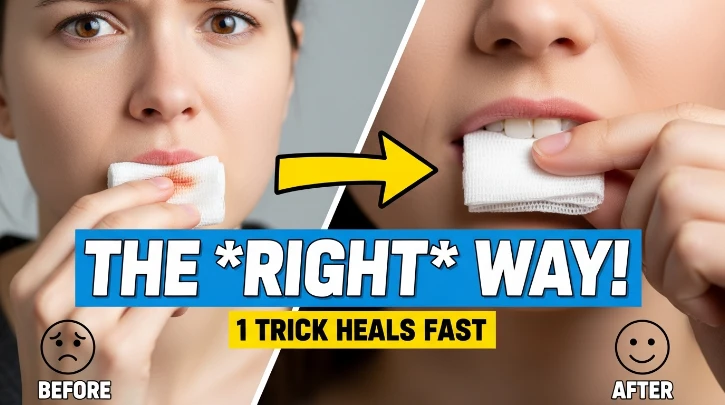
You should bite firmly on the gauze for at least 30 to 45 minutes immediately after your tooth extraction. This constant pressure helps a vital blood clot form. This clot stops the bleeding and begins your healing process. This first step is very important for a smooth recovery.
Ignoring these simple steps could lead to painful complications. It can slow your recovery and cause more worry. Don’t let a small mistake turn into a big problem. Keep reading to learn everything you need to know to heal safely and quickly. Protect your smile and your peace of mind.
Why Gauze Matters: Understanding the Basics of Post-Extraction Care
Gauze plays a crucial role after a tooth extraction. It helps control bleeding. It also promotes the formation of a protective blood clot. This blood clot is your body’s natural bandage.
When your tooth is removed, it leaves an open wound. Blood naturally flows to this area. Gauze applies pressure directly to the wound. This pressure helps the blood vessels to close and allows a clot to form. This clot is vital for healing. It protects the exposed bone and nerves. Without a stable clot, you risk painful problems like a dry socket.
The Purpose of the Blood Clot
The blood clot acts as a shield. It keeps harmful bacteria out of the socket. It also protects the sensitive bone and nerve endings. This clot is the first stage of your body’s healing. It is a natural and necessary part of recovery. Its presence means your body is working to close the wound. It helps new tissue grow.
Risks of Not Using Gauze Correctly
Not using gauze correctly can lead to several issues. The most common is continued bleeding. Without pressure, the blood may not clot well. This can make your mouth feel messy and uncomfortable. More seriously, it raises the risk of a dry socket. A dry socket happens when the blood clot either doesn’t form or gets dislodged. This exposes the bone and nerves, causing intense pain. It can also delay your healing time.
The Critical First Hour: Immediate Steps After Tooth Removal
The first hour after your tooth extraction is very important. Your dentist will place a sterile gauze pad over the extraction site. You need to bite down on it firmly and gently.
Keep this first gauze pad in place for 30 to 45 minutes. Some dentists even suggest 1 to 2 hours. The goal is to apply steady pressure. This pressure encourages a strong blood clot to form in the empty socket. Do not remove it too early. Doing so can disrupt the clotting process.
Applying the First Gauze Pad
Your dental team will show you how to place the gauze. Make sure it sits directly over the extraction site. Then, close your mouth gently but firmly. You should feel slight pressure on the gauze. This pressure helps the blood clot form.
It’s important not to talk much during this time. Also, avoid chewing or spitting. These actions can dislodge the clot. Keep your head slightly elevated. This helps reduce blood flow to the area.
Monitoring for Bleeding
Some bleeding is normal. You may see some redness in your saliva for up to 24 hours. After the initial 30-45 minutes, gently remove the gauze. Check for a clot. If the bleeding has slowed to a slight ooze or stopped, you may not need more gauze.
If you see bright red blood or heavy soaking of the gauze, replace it. You will need to apply fresh gauze. Repeat the process. Bite down for another 30-45 minutes. This cycle should continue until the bleeding becomes light.
Beyond the First Hour: When to Change Gauze and What to Expect
After the first initial period, you might still have some bleeding or oozing. This is normal. You will need to change your gauze pads as needed. This helps keep the site clean and promotes healing.
Changing the gauze regularly is important. It ensures the gauze remains effective. It also prevents the buildup of old blood. This practice is key for undisturbed blood clot formation.
Gauze Changing Schedule
The bleeding should lessen over time. Replace the gauze every 30 to 45 minutes if bleeding continues. Some dentists suggest every 1-2 hours. Do this until the gauze comes out mostly clean. It should have only a light pink stain.
Do not overuse gauze. Once bleeding has notably decreased, you can stop using it. This is typically a few hours after the extraction. Using gauze for too long can actually hinder the clotting process.
The table below outlines a typical gauze changing schedule after a tooth extraction, recognizing that individual needs may vary.
| Time After Extraction | Action | Expected Bleeding |
|---|---|---|
| Immediately | Bite firmly on the first gauze pad. | Initial heavy bleeding. |
| 30-45 minutes | Check gauze. Replace if still soaking wet. | Bleeding should be slowing down. |
| Next 2-4 hours | Change gauze every 30-45 minutes if bleeding persists. | Bleeding should gradually become lighter (pinkish). |
| After 4 hours (or when bleeding is light) | Stop using gauze once bleeding is a light ooze or has stopped. | Light oozing or no active bleeding. |
When to Stop Using Gauze
You know it’s time to stop using gauze when the pad comes out mostly clean. It should only have a faint pink tint. This means a good blood clot has formed. The initial healing process has started. If you are only experiencing slight oozing, you can remove the gauze. Let your mouth heal.
If bleeding is still strong and bright red after several hours, contact your dentist. They may give you other advice. A damp black tea bag can help in some cases. The tannic acid in tea helps with clotting.
Common Concerns and Troubleshooting: What If Bleeding Continues?
Some bleeding or redness in your saliva for up to 24 hours is normal. But sometimes, bleeding seems to go on and on. It can be worrying. Knowing what to do can help you manage the situation effectively.
Persistent Bleeding Solutions
If bleeding persists after several hours, try these steps:
- Reposition the gauze: Make sure the gauze is directly over the extraction site. Bite down firmly. Sometimes, people clench the gauze between their teeth only. This does not apply enough pressure.
- Use a damp tea bag: Black tea bags contain tannic acid. This can help stop bleeding. Wet a black tea bag with warm water. Squeeze it damp-dry. Wrap it in moist gauze. Bite down firmly on this for 20 to 30 minutes.
- Keep your head elevated: Sitting upright helps reduce blood flow to the area. This can lessen bleeding.
- Avoid activity: Rest and avoid strenuous tasks. Too much activity can increase your heart rate. This makes bleeding worse.
If bleeding remains heavy and uncontrollable after trying these methods, contact your dentist immediately.
Recognizing Normal vs. Excessive Bleeding
Normal bleeding after extraction usually looks like a pink or red tint in your saliva. It may be a slow ooze. Heavy bleeding means the gauze quickly soaks through with bright red blood. If you need to change gauze every few minutes because it’s saturated, that is too much. This needs professional attention.
When to Call Your Dentist: Recognizing Warning Signs
Your recovery should improve each day. However, sometimes problems can arise. Knowing when to seek help is very important for your health and healing.
Signs of Complications
Be aware of these warning signs:
- Severe pain: It is normal to feel some pain. But if pain gets worse after a few days, or is intense and throbbing, call your dentist. This could be a sign of dry socket.
- Dry socket symptoms: Look for an empty socket where the blood clot should be. You might see exposed bone. Pain might spread to your ear, eye, temple, or neck. You might have bad breath or a foul taste in your mouth.
- Increased swelling or redness: Some swelling is expected. But if swelling gets worse after 2-3 days, or if there is new redness or warmth, it could signal infection.
- Pus or discharge: Any pus or unusual discharge from the extraction site is a sign of infection.
- Fever or chills: These are general signs of infection in your body.
- Uncontrolled bleeding: If heavy bleeding continues after 4 hours despite applying pressure, call your dentist.
Importance of Prompt Action
If you notice any of these signs, do not delay. Contact your dentist right away. Early treatment of complications can prevent bigger problems. It ensures a smoother and faster recovery. Your dentist is there to help guide your healing.
Proper Gauze Placement: A Step-by-Step Guide
Placing gauze correctly is key for it to work. Incorrect placement can mean you don’t get the pressure needed. This can lead to more bleeding or a dislodged clot.
Follow these steps to ensure your gauze is doing its job:
- Wash your hands: Always start with clean hands. This prevents germs from entering your mouth.
- Prepare the gauze: Use the sterile gauze given by your dentist. If it’s a larger piece, fold it into a thick square or rectangle. It should be big enough to cover the extraction site. Many dentists suggest moistening the gauze slightly with tap water. This makes it more comfortable and prevents it from sticking to the clot.
- Position the gauze: Gently place the folded gauze directly over the empty socket. Make sure it’s not just sitting between your teeth. It needs to be pressing on the actual wound. If you can, use a mirror to see the site. This helps you get it in the right spot.
- Apply pressure: Close your mouth and bite down gently but firmly. You should feel steady pressure on the gauze. If you look in a mirror, you might see the tissues around the extraction site blanch, or turn slightly white. This shows you are applying good pressure.
- Hold in place: Keep the gauze in place for the recommended time (30-45 minutes, or as instructed). Avoid talking, chewing, or excessive movement.
- Check and repeat: After the time is up, gently remove the gauze. Check for bleeding. If bleeding is still active, repeat steps 1-5 with a fresh piece of gauze.
Remember, gentleness is key. Do not poke or prod the area. This can disturb the blood clot.
What to Avoid: Actions That Can Dislodge the Blood Clot
Protecting the blood clot is the most important part of early healing. Many everyday actions can accidentally dislodge it. Avoiding these things helps prevent a painful dry socket.
Consider the following actions that can disrupt healing after your tooth extraction:
- Rinsing or spitting forcefully: This creates suction in your mouth. This suction can pull the blood clot out. For the first 24 hours, avoid rinsing altogether. After that, rinse very gently.
- Using straws: The sucking motion from a straw is a major cause of dry socket. Avoid straws for at least 72 hours.
- Smoking or vaping: Tobacco products slow healing. They also increase your risk of dry socket greatly. Avoid smoking for at least 7 days, or longer if possible.
- Touching the extraction site: Do not poke the area with your tongue, fingers, or any objects. This can dislodge the clot or introduce germs.
- Strenuous activity: Heavy exercise or lifting can raise your blood pressure and heart rate. This can cause more bleeding and dislodge the clot. Rest for at least 24-72 hours.
- Eating hard, crunchy, or chewy foods: These foods can damage the clot or get stuck in the socket. Stick to soft foods for the first few days.
- Drinking alcohol or carbonated drinks: These can irritate the wound and interfere with healing. Avoid them for at least a few days.
- Hot foods or drinks: Very hot items can increase blood flow to the area. This may start bleeding again. Let foods and drinks cool to room temperature.
Each of these actions can put your healing at risk. Be mindful of them to ensure a smooth recovery.
Important Aftercare Tips for a Smooth Recovery
Beyond managing gauze, a few other simple steps can greatly help your healing. These tips are for overall comfort and a faster recovery. Follow them closely to avoid problems.
Rest and Elevation
Rest is crucial. Your body needs energy to heal. Plan to take it easy for at least the first 24 to 48 hours after surgery. Avoid any strenuous activity. When you rest or sleep, keep your head elevated with extra pillows. This helps reduce swelling and bleeding.
Ice Packs for Swelling
Swelling is a normal part of healing. To reduce it, apply an ice pack to your cheek. Place it on the outside of your mouth near the extraction site. Use ice for 20 minutes, then take it off for 20 minutes. Repeat this for the first 24-48 hours. A thin cloth between the ice and your skin is helpful.
Pain Management: Keeping You Comfortable
Some pain is expected after a tooth extraction. Your dentist will likely suggest pain relief options. Managing your pain helps you rest and recover better.
Medication and Comfort
Your dentist may prescribe pain medication. Take it exactly as directed. Over-the-counter pain relievers like ibuprofen or acetaminophen can also help with mild discomfort. Avoid aspirin. It can increase bleeding.
Pain should lessen over time. If your pain gets worse or does not go away, call your dentist.
Dietary Considerations: Eating After Extraction
Eating can be tricky after a tooth extraction. Choosing the right foods helps avoid pain and protects the healing site. It also ensures you get the nutrients you need.
Soft Foods are Best
For the first few days, stick to soft, easy-to-chew foods. This reduces the risk of irritating the extraction site. Aim for foods that do not require much chewing.
Here are some good choices:
- Yogurt
- Applesauce
- Smoothies (drink with a spoon, not a straw)
- Pudding
- Mashed potatoes
- Scrambled eggs
- Blended soups (cooled to room temperature)
- Cottage cheese
The following table presents a sample meal plan suitable for the first few days after a tooth extraction.
| Meal | Day 1 (Liquids & Ultra-Soft) | Day 2 (Soft, Minimal Chewing) | Day 3 (Slightly More Texture) |
|---|---|---|---|
| Breakfast | Smoothie (spoon only) | Soft scrambled eggs | Oatmeal or cream of wheat |
| Lunch | Room-temperature broth | Mashed sweet potatoes | Warm, blended soup |
| Dinner | Yogurt or pudding | Cottage cheese with mashed avocado | Well-cooked pasta or noodles |
| Snacks | Applesauce, Jell-O | Smooth peanut butter | Soft fruits (banana) |
Foods to Avoid
Avoid foods that are crunchy, hard, chewy, or sticky. These can get stuck in the socket or dislodge the clot. Also, stay away from spicy or acidic foods. They can irritate the wound. Do not eat anything extremely hot or cold. These can cause discomfort.
Examples of foods to avoid include:
- Chips, popcorn, nuts, seeds
- Hard candies, tough meats
- Spicy sauces, acidic fruits like oranges
- Chewy gum or caramels
Oral Hygiene: Keeping Your Mouth Clean
Keeping your mouth clean after an extraction is important. It helps prevent infection. But you must do it very gently to protect the blood clot.
Gentle Cleaning Practices
For the first 24 hours, do not rinse your mouth. Avoid brushing the extraction site directly. After 24 hours, you can gently rinse with warm salt water. Mix half a teaspoon of salt in a glass of warm water. Rinse very gently around your mouth. Do not swish vigorously or spit forcefully. Let the liquid drip out of your mouth. Do this a few times a day, especially after meals.
Brush your other teeth gently. Be very careful around the extraction site. Use a soft-bristled toothbrush. Your dentist might also give you a special antimicrobial mouthwash.
Visit the American Dental Association website for more information on maintaining oral hygiene.
Factors Influencing Healing Time: What Impacts Your Recovery
Healing after a tooth extraction is a personal journey. Several things can change how long it takes for you to feel better. Knowing these factors helps you manage your expectations.
Individual Health and Extraction Complexity
Your overall health plays a big part. People who are generally healthy often heal faster. Conditions like diabetes can slow healing.
The type of extraction also matters. A simple extraction of a front tooth usually heals quickly. A complex wisdom tooth removal might take longer. If the tooth was infected, healing might be slower too.
Lifestyle Choices
Your habits greatly affect healing:
- Smoking: This is a major factor that slows healing. It increases the risk of dry socket and infection.
- Diet: Eating soft, nutritious foods helps your body recover. A poor diet can delay healing.
- Rest: Getting enough rest allows your body to focus on repair. Strenuous activity can disrupt this.
Following all aftercare instructions diligently gives you the best chance for a fast and smooth recovery. Listen to your body and your dentist’s advice. Every step you take helps your mouth heal better. For comprehensive resources on oral health, check out the MouthHealthy site by the American Dental Association.
Following these clear and direct instructions will greatly help your healing after a tooth extraction. Being careful with gauze, eating soft foods, and avoiding certain actions are all crucial steps. Your recovery depends on protecting that vital blood clot. Take these steps seriously to ensure a smooth, pain-free return to your normal life. Your actions now protect your smile for the future.
Frequently Asked Questions
How long should I expect to bleed after tooth extraction?
You can expect some light bleeding or oozing for up to 24 hours after the extraction. It should gradually lessen. If heavy bleeding continues after 4 hours, contact your dentist.
Can I sleep with gauze in my mouth after a tooth extraction?
No, you should not sleep with gauze in your mouth. This is a choking hazard. Remove the gauze before sleeping.
What if I accidentally dislodge the blood clot?
If you dislodge the blood clot, you might experience a dry socket. This causes severe pain, bad breath, and an empty-looking socket. Contact your dentist immediately if this happens.
When can I eat solid foods again?
You should stick to soft foods for the first few days (3-5 days usually). Gradually reintroduce more solid foods as your comfort improves. Avoid hard, crunchy, or chewy foods until the site is well-healed.
Is it okay to rinse with mouthwash after tooth extraction?
Avoid rinsing for the first 24 hours. After that, use a gentle warm salt water rinse. Do not use commercial mouthwashes with alcohol, as they can irritate the site.
Disclaimer: This article provides general information and is not a substitute for professional medical or dental advice. Always consult your dentist or oral surgeon for personalized instructions regarding your specific tooth extraction and recovery.