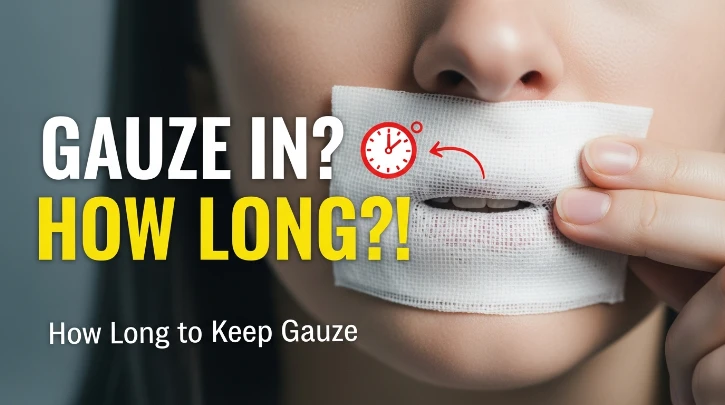
After a tooth extraction, you should keep the initial gauze pad firmly in place over the extraction site for at least 30 to 60 minutes. This creates pressure, which is crucial for forming a strong blood clot. If the gauze becomes soaked with blood before 30 minutes pass, gently remove it and replace it with a fresh, folded piece. Understanding this simple step is the first key to a smooth recovery. Do not skip this vital information. Your quick recovery and comfort depend on knowing these details. Ignoring proper gauze care can lead to painful complications. Protect your healing smile; continue reading to ensure a safe and speedy recovery!
Understanding the Immediate Aftermath of a Tooth Extraction
Right after your tooth comes out, your body starts to heal. This is a natural process. A crucial part of this healing is forming a blood clot. This clot acts like a natural bandage for the open wound. It protects the bone and nerves underneath. Proper clot formation prevents serious issues later on.
Why Gauze is Your First Line of Defense
Gauze helps your body make this important blood clot. You bite down gently on the gauze. This gentle pressure pushes the gauze against the empty socket. The pressure helps stop the bleeding. It also encourages a stable blood clot to form quickly. Without gauze, bleeding might continue for too long. A good clot means less pain and faster healing.
The Critical First Hour: Gauze Application and Timing
The first hour after your extraction is the most important. How you use the gauze during this time sets the stage for your recovery. Following your dentist’s instructions carefully is key. Every patient is a bit different, but the core rules stay the same.
Placing the Gauze Correctly
Your dental team will place the first gauze pad. It goes right over the empty socket. You need to bite down gently but firmly. This gentle pressure is what works. Avoid chewing on the gauze. This can move the clot and cause problems. Make sure the gauze covers the entire area where the tooth was.
When to Remove the First Gauze Pad
Keep the first gauze pad in your mouth for 30 to 60 minutes. This time allows the blood to start clotting well. Do not check it too often. Removing it too soon can disturb the forming clot. Think of it like letting a cut scab over. You wouldn’t pick at it immediately. The same idea applies here.
Changing Your Gauze: What to Look For
You might need to change your gauze. This depends on how much bleeding you have. It’s normal to see some blood. A little blood mixed with a lot of saliva can look like a lot. Don’t panic.
Signs It’s Time for a Fresh Pad
If the gauze becomes soaked with blood, change it. Soaked means it’s completely wet and red. It’s no longer putting good pressure on the wound. You can gently take out the old gauze. Roll a new, fresh piece into a thick pad. Place it directly over the socket. Bite down again for another 30 to 60 minutes. Repeat this process as needed.
How to Prepare New Gauze
Use clean gauze pads. Your dentist or pharmacist will give you some. Fold the gauze into a small, thick square. It should be big enough to cover the socket. You want a firm pad. This gives good pressure. Always wash your hands before handling gauze. This prevents germs from entering your mouth.
When Can You Stop Using Gauze?
Most bleeding should slow down or stop within a few hours. This is a good sign. Knowing when to stop using gauze is important for comfort and healing.
Monitoring for Persistent Bleeding
You can usually stop using gauze when the bleeding has mostly stopped. You might see a light pink or reddish tint in your saliva. This is normal. It does not mean active bleeding. If you still see bright red blood filling the gauze quickly, continue using it. You may need to bite down for longer periods. Some people need gauze for a few hours. Others may need it for several hours, especially if they are on blood thinners. Consult your dentist if you are unsure or concerned. The American Dental Association provides valuable information on managing post-operative care, emphasizing the importance of following your dentist’s specific advice as reported by the ADA.
Expected Bleeding Timeline
The amount and duration of bleeding can vary. This depends on your health and the type of extraction. Below is a general guide to help you know what to expect.
| Time After Extraction | Expected Bleeding Level | Gauze Action |
|---|---|---|
| First 30-60 minutes | Moderate to heavy bleeding | Keep the initial gauze firmly in place. Do not remove. |
| 1-3 hours | Light to moderate bleeding | Change gauze if soaked. Reapply for 30-60 minutes. |
| 3-6 hours | Minimal bleeding, pink saliva | Maybe be able to stop the gauze. Monitor for signs of more bleeding. |
| 6-24 hours | Spotting or light pink saliva | Gauze is generally not needed. |
The general guidelines for bleeding levels after a tooth extraction suggest how to manage gauze use. It shows that in the first hour, you should keep the initial gauze, and as time passes, the need for gauze decreases if bleeding lessens.
What If Bleeding Continues or is Heavy?
Sometimes, bleeding can be more stubborn. Don’t panic, but do take action. There are steps you can take at home. If bleeding remains heavy, contact your dentist.
Steps to Take for Persistent Bleeding
- Use a tea bag: A moist tea bag can help. Black tea contains tannic acid. This helps blood vessels constrict. It encourages clotting. Wet a regular black tea bag with warm water. Squeeze out extra water. Place it directly on the extraction site. Bite down firmly for 30 to 60 minutes.
- Apply constant, firm pressure: Make sure you are biting down hard enough. The pressure is key. If your jaw gets tired, switch sides or take a short break. Then reapply.
- Elevate your head: Lie down with your head slightly raised. Use extra pillows. This can help reduce blood flow to the head.
- Avoid rinsing or spitting: This can dislodge the clot. Do not rinse your mouth for the first 24 hours.
When to Call Your Dentist
Call your dentist if bleeding is heavy and does not stop after 3-4 hours of constant pressure. Also, call if you are concerned. You know your body best. Your dentist can give you specific advice. They might ask you to come in. This is for your safety and comfort.
Important Aftercare Steps Beyond Gauze
Gauze is just the first step. Your recovery journey continues for several days. Proper aftercare speeds healing and prevents complications. This includes what you eat, how you clean your mouth, and what activities you avoid.
Protecting the Blood Clot
The blood clot is fragile. You must protect it. Do not disturb the clot. Avoid certain actions that can dislodge it. This includes sucking through a straw. Do not spit forcefully. Avoid smoking. These actions create suction. Suction can pull the clot out. Losing the clot leads to a painful condition called dry socket.
Dietary Considerations
Eat soft foods only for the first few days. Think yogurt, soup, mashed potatoes, and smoothies. Avoid crunchy or hard foods. These can irritate the wound. Hot foods and drinks can increase bleeding. Stick to cool or lukewarm items. Chew on the opposite side of your mouth if possible.
Pain Management
Your dentist will recommend pain medication. This might be over-the-counter or prescription. Take it as directed. Start taking pain medicine before the local anesthetic wears off. This keeps pain under control. An ice pack on your cheek can help with swelling and pain. Use it for 20 minutes on, 20 minutes off.
Oral Hygiene After Extraction
Gentle cleaning is vital. Do not brush the extraction site directly for the first 24 hours. You can brush other teeth gently. After 24 hours, you can start gentle rinses. Use a warm saltwater rinse. Mix half a teaspoon of salt in a cup of warm water. Rinse gently, then let it dribble out. Do not spit. This helps keep the area clean. It also soothes the tissues. Oral hygiene practices are crucial for preventing infection and promoting healing, as outlined by the Mayo Clinic’s guidance on tooth extraction aftercare according to the Mayo Clinic.
Activity Restrictions
Rest is important. Avoid strenuous activities for at least 24-48 hours. Heavy lifting or intense exercise can increase bleeding. It can also raise your blood pressure. This might dislodge the clot. Take it easy. Let your body heal. When you sleep, elevate your head. This helps reduce swelling.
Understanding and Preventing Dry Socket
Dry socket is a common complication. It happens when the blood clot dislodges. It can also happen if the clot fails to form. This leaves the bone and nerves exposed. It is very painful. Preventing dry socket is a key goal of proper aftercare.
What Causes Dry Socket?
Several things can cause dry socket. Strong sucking actions are a big culprit. This includes straws or smoking. Rinsing too forcefully can also cause it. Poor oral hygiene can contribute. Certain medications can also increase risk. Talk to your dentist about any concerns.
Symptoms of Dry Socket
The main symptom is severe pain. This pain starts a few days after the extraction. It often spreads to your ear, eye, or neck. You might see an empty-looking socket. There might be a bad taste in your mouth. You might also have bad breath. If you suspect dry socket, call your dentist immediately. They can help relieve your pain and treat the condition effectively.
Common Mistakes to Avoid
Making mistakes after an extraction can delay healing. It can also cause pain. Knowing what to avoid is just as important as knowing what to do. Your recovery depends on wise choices.
- Don’t skip gauze: Ignoring the need for pressure is a big mistake.
- Don’t rinse too soon: Rinsing or spitting can pull out the clot.
- Don’t smoke or use straws: Suction is a major enemy of the blood clot.
- Don’t eat hard or hot foods: These can irritate the wound and cause bleeding.
- Don’t ignore pain: Persistent, severe pain needs a dentist’s attention.
- Don’t over-exercise: Rest helps your body heal properly.
Your Path to a Healthy Recovery
Healing after a tooth extraction takes time. Your body is doing amazing work. By following these simple steps, you can help it along. Proper gauze use is a small but mighty step. It sets the foundation for a good recovery. Listen to your body. Follow your dentist’s instructions. A little care now means a much smoother journey. Your proactive approach makes a real difference in preventing complications and ensures your recovery is as comfortable and swift as possible.
Frequently Asked Questions
How long should I expect to bleed after tooth extraction?
Most active bleeding slows down within 3-4 hours after extraction. You might see light pink saliva for up to 24 hours, which is normal.
What if I swallow the gauze?
Swallowing a small piece of gauze is usually not harmful. If you swallowed a large piece or are concerned, contact your dentist or doctor.
Can I sleep with gauze in my mouth?
It’s generally not recommended to sleep with gauze in your mouth, as it could be a choking hazard. Ensure bleeding has largely stopped before you sleep without gauze.
When can I eat after a tooth extraction?
You can usually eat soft foods once the local anesthetic wears off and bleeding is controlled. Avoid hot foods and chewing near the extraction site.
Is it normal to have swelling after tooth extraction?
Yes, some swelling and bruising are normal after an extraction. This usually peaks around 48-72 hours and can be managed with ice packs.
What is a dry socket, and how do I prevent it?
Dry socket occurs when the blood clot dislodges, exposing the bone. Prevent it by avoiding smoking, straws, forceful spitting, and rinsing for the first 24-48 hours.
Disclaimer: This article provides general information and should not be considered a substitute for professional medical or dental advice. Always consult with your dentist or a qualified healthcare provider for any health concerns or before making any decisions related to your health or treatment.