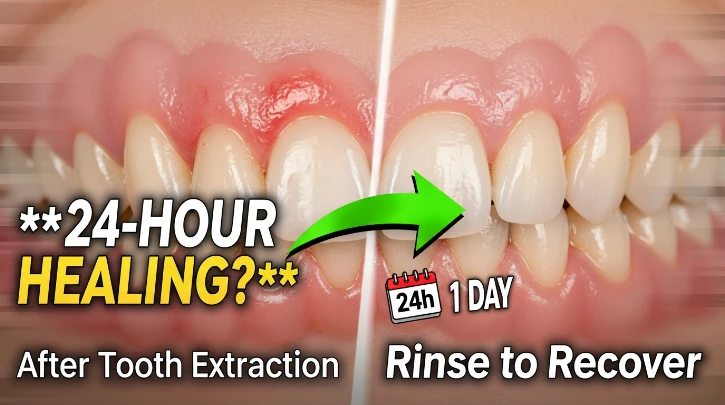
After a tooth extraction, you should typically start rinsing with salt water 24 hours after your procedure. Continue this gentle rinsing 2-3 times a day for at least 5-7 days. Your dentist might suggest longer, perhaps up to two weeks, especially for more complex extractions. Following these simple steps carefully is key to a smooth and swift recovery. Ignoring proper aftercare can lead to painful complications like dry socket, putting your recovery at risk. Don’t let a simple mistake cause you weeks of discomfort. Keep reading to learn exactly how to protect your healing smile!
The Power of Salt Water: Why It Works for Healing
Salt water rinses are a time-tested way to help your mouth heal. They offer many benefits. This simple solution helps keep the extraction site clean. It also promotes faster healing.
Salt acts as a natural antiseptic. It helps remove bacteria and food bits from your mouth. This is important because bacteria can cause infection. Infections slow down healing.
Warm salt water also reduces swelling. It draws out extra fluids from the tissues. Less swelling means less pain. This makes you feel more comfortable.
The solution also creates a gentle environment. It helps your mouth stay balanced. This balanced state is crucial for good healing. It is a simple yet effective part of aftercare.
The First Critical 24 Hours: What Not to Do
The first 24 hours after your tooth extraction are very important. Your body begins a vital healing process. A blood clot forms in the empty socket. This clot protects the bone and nerves underneath.
Do not rinse your mouth during the first day. Rinsing can dislodge the blood clot. Losing the clot can cause severe pain. This condition is called dry socket.
Avoid other activities that might disturb the clot. Do not spit or use a straw. Smoking is also very harmful. These actions create suction. Suction can pull the clot out.
You should also avoid hot foods and drinks. These can increase bleeding. Stick to soft, cool foods. Rest as much as possible. Keep your head slightly elevated. This helps reduce swelling and bleeding.
Starting Your Salt Water Rinse Routine: The Right Time
You can begin using saltwater rinses one full day after your tooth extraction. This means waiting about 24 hours. Waiting helps the crucial blood clot form properly.
Your oral surgeon will likely tell you to start at this time. It is a common and important step. Beginning too soon can harm your healing. Waiting just enough time sets you up for success.
This timing allows the initial healing to happen. The blood clot becomes more stable. Then, gentle rinsing helps keep the area clean. It supports the next steps of recovery.
Mixing Your Magic Solution: The Perfect Recipe
Making a saltwater rinse is very simple. You only need two basic items. These are salt and warm water. Most people have them readily available at home.
The correct ratio is important. Use about half a teaspoon of salt. Mix it into one cup (8 ounces) of warm water. Stir it until the salt completely dissolves.
The water should be warm, not hot. Hot water can be uncomfortable. It might also increase bleeding. Aim for a comfortable temperature.
Here is a quick guide to making your rinse:
- Get a clean glass.
- Fill it with 8 ounces of warm tap water.
- Add ½ teaspoon of table salt.
- Stir until all the salt disappears.
This simple mix will be your healing partner. It provides gentle cleansing. It helps prevent infection.
The Art of Rinsing: How to Do It Right
Gentle rinsing is crucial for healing. You want to clean the area without causing harm. Aggressive swishing can dislodge the blood clot. This leads to a painful dry socket.
Take a small sip of the saltwater solution. Hold it in your mouth. Gently swish it around the extraction site. Do this for about 30 seconds.
When you are finished, spit it out very gently. Do not forcefully spit. Just lean over the sink and let the water flow out. This protects the delicate clot.
Remember, the goal is cleanliness and comfort. Not a vigorous scrub. Think of it as bathing the wound. Not scrubbing it.
How Often to Rinse: Your Daily Schedule
Regular rinsing helps keep your mouth clean and promotes healing. You should rinse with salt water several times a day. This routine helps ward off bacteria. It also keeps food particles away from the extraction site.
Most dentists recommend rinsing 2 to 3 times a day. Some may suggest 3-4 times daily. It’s often helpful to rinse after meals. Also, rinse before you go to bed.
Following this schedule ensures continuous care. It helps prevent bacterial buildup. This reduces your risk of infection. It helps your mouth recover faster.
Consult with your dentist for their specific advice. They might adjust the frequency. This depends on your individual healing. Always follow their personalized instructions.
When to Stop Rinsing: The Healing Timeline
The total duration for saltwater rinses can vary. It depends on how well you are healing. Most dental professionals suggest continuing for at least 5 to 7 days. This is often enough for initial healing.
For more involved extractions, like wisdom teeth, your dentist might recommend rinsing for up to two weeks. Some even suggest 2-3 weeks for wisdom tooth sites. It’s crucial to follow your specific post-operative instructions.
The extraction site goes through several healing stages. A blood clot forms in the first 24 hours. Swelling peaks around days 2-3. By day 7-10, granulation tissue covers the site. This tissue protects the area.
The table below summarizes the typical healing phases after a tooth extraction. Remember that healing times can vary for each person.
| Timeframe | What Happens | Recommended Action |
|---|---|---|
| First 24 Hours | Blood clot forms. Some bleeding and discomfort are normal. Swelling begins. | No rinsing. Apply gauze and ice. Rest. Eat soft foods. |
| Days 2-3 | Swelling often peaks. Pain should start to lessen. | Begin gentle saltwater rinses. Continue soft foods and rest. |
| Days 4-7 | Swelling and pain should decrease significantly. | Continue salt water rinses 2-3 times daily. Gradually introduce more foods. |
| Days 7-14 | Initial healing is well underway. Granulation tissue protects the site. | Continue salt water rinses as advised. Avoid hard/crunchy foods. |
| Weeks 2-3+ | The socket gradually closes from the bottom up. Bone starts to fill in. | Rinse less frequently if advised. Maintain good oral hygiene. |
| Months 1-4 | Full bone regeneration and tissue closure. | Maintain regular dental care. |
You can usually stop the saltwater rinses once your dentist says it’s okay. They will assess your healing progress. If stitches were used, continue rinsing until they dissolve. This helps keep the area clean as the stitches disappear.
Common Questions and Concerns: What to Watch For
After a tooth extraction, it’s normal to have some pain, swelling, and slight bleeding. Knowing what to expect helps you manage your recovery. However, some symptoms could mean a problem. You need to know these warning signs.
Recognizing Dry Socket
Dry socket is a common complication. It happens when the blood clot dislodges. This leaves bone and nerves exposed. It causes severe pain.
Symptoms usually start 1 to 3 days after the extraction. The pain is intense. It can spread to your ear, eye, or neck. You might also notice a bad taste or smell. The socket may look empty. You might even see bone.
If you think you have a dry socket, call your dentist immediately. They can provide treatment. This will relieve pain and help with healing.
Signs of Infection
An infection can also occur. Salt water rinses help prevent this. But it can still happen. Look for these signs of infection:
- Fever
- Increased swelling
- Worsening pain
- Pus or drainage from the site
- A bad taste or smell that doesn’t go away
Contact your dentist right away if you notice any of these symptoms. Early treatment is important. It prevents more serious issues.
Persistent Bleeding
Some minor bleeding is normal for up to 24 hours. If bleeding continues heavily, apply firm pressure. Bite on a clean gauze pad for 15-30 minutes. A moistened tea bag can also help. Tannic acid in tea helps with clotting.
If bleeding won’t stop, contact your dentist. They can give you further instructions. Do not rinse if bleeding is active. This can make it worse.
Beyond Salt Water: Other Healing Tips
Saltwater rinses are a great tool. But they are just one part of your recovery. There are other important steps. These tips help you heal well. They reduce discomfort.
Pain Management
Pain is normal after an extraction. Your dentist may prescribe pain medicine. Take it exactly as directed. Over-the-counter options like ibuprofen can also help. These reduce both pain and swelling.
Apply an ice pack to your cheek. Use it for 15-20 minutes at a time. Then take a break for 20 minutes. This helps reduce swelling. It is most effective in the first 24-48 hours.
Diet and Eating Habits
Stick to soft foods for the first few days. Think soups, yogurt, mashed potatoes, and eggs. Avoid chewing on the extraction side. Gradually add regular foods back into your diet.
Do not eat hard, crunchy, or sticky foods. These can irritate the site. They might dislodge the clot. Avoid very hot or very cold items too.
Oral Hygiene Beyond Rinsing
Keep the rest of your mouth clean. You can gently brush your other teeth the day after surgery. Avoid the extraction site itself. Use a soft-bristled toothbrush.
Avoid commercial mouthwashes. Many contain alcohol. Alcohol can irritate the healing tissues. Salt water is a gentler, more effective choice.
Lifestyle Choices
Rest is important for healing. Avoid strenuous activity for a few days. Heavy lifting can increase bleeding. Elevate your head while sleeping.
Do not smoke or use tobacco products. Smoking greatly delays healing. It also increases the risk of dry socket. Avoid alcohol for at least 24 hours. It can interfere with healing.
Potential Problems and When to Call Your Dentist
Most tooth extractions heal without problems. But sometimes issues can arise. Knowing when to seek help is important. Do not hesitate to call your dentist.
Contact your dentist if you experience:
- Severe pain that worsens or does not improve.
- Bleeding that does not stop with pressure.
- Signs of infection, like fever, pus, or foul smell.
- Excessive swelling that increases after 2-3 days.
- Numbness that lasts longer than a few hours.
- Difficulty swallowing or opening your mouth widely.
These symptoms could indicate a complication. Your dentist can assess the situation. They will provide the right treatment. This ensures your recovery stays on track.
Your dentist is your best resource. They are there to help. Do not try to diagnose or treat yourself. Professional care is key to oral health.
For more detailed information on tooth extraction aftercare and potential complications, you can visit the American Dental Association’s website. They offer valuable insights into maintaining oral health. Understanding these guidelines helps ensure a smooth recovery after your procedure. You can also find comprehensive guides on various dental health topics from the National Health Service, providing further details on what to expect during and after dental extractions.
Learning about proper post-extraction care can make a big difference. It helps you avoid discomfort. It speeds up your healing. Empower yourself with knowledge. Take charge of your recovery journey. Your comfort and health are worth it.
Frequently Asked Questions
Can I use mouthwash instead of salt water?
It is best to avoid commercial mouthwashes, especially in the first week. Many contain alcohol or harsh chemicals that can irritate the sensitive healing tissues. Salt water is a gentler and more effective option for post-extraction care.
What if I accidentally swallow some salt water?
Swallowing a small amount of salt water during rinsing is generally not harmful. The solution is very dilute. Just try to avoid swallowing larger amounts.
Can I use cold water for rinsing?
Warm water is preferred for saltwater swims. It is more soothing and helps promote blood flow to the area. Cold water can be shocking to sensitive tissues.
When can I brush my teeth normally?
You can usually start brushing your teeth gently the day after surgery. Be very careful around the extraction site. Avoid brushing directly over the wound.
What is dry socket, and how do I know if I have it?
Dry socket is intense pain from an exposed bone. It happens when the blood clot falls out. Symptoms include severe pain 1-3 days after surgery. This pain might spread to your ear or neck. You might also see an empty socket or bone.
How long does it take for the hole to close after extraction?
The hole usually closes over with soft tissue in about 1-2 weeks for simple extractions. For larger teeth or surgical extractions, it can take 3 weeks or even up to 6 weeks for the hole to be mostly covered. Complete bone healing takes several months.
Disclaimer: The information provided in this article is for general knowledge and informational purposes only. It does not constitute medical advice. Always consult with a qualified dental professional or oral surgeon for any health concerns or before making any decisions related to your health or treatment. Following your dentist’s specific post-operative instructions is crucial for a safe and effective recovery after a tooth extraction.