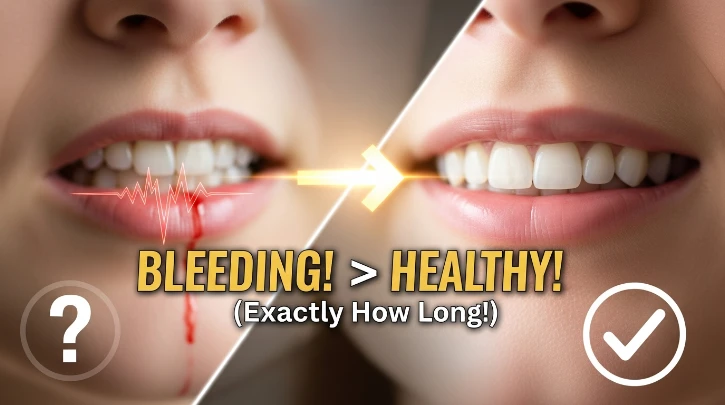
After a tooth extraction, it is normal to experience some bleeding. The bleeding typically slows down within the first few hours and should mostly stop within 3 to 4 hours, though some light oozing or blood-tinged saliva can continue for up to 24 to 48 hours. A blood clot forms in the empty socket, which is vital for healing and protecting the bone and nerves underneath.
A tooth extraction can feel scary. Understanding what to expect with bleeding afterward can ease your mind. It also helps you take the right steps for a smooth recovery. Don’t let fear of complications hold you back from knowing how to care for yourself! Keep reading to gain valuable insights that could prevent serious issues and ensure your healing journey is as comfortable as possible.
Having a tooth removed is a common dental procedure. Your body immediately starts a healing process. Bleeding is a natural part of this process. It helps form a vital blood clot. This article will help you understand what’s normal and what’s not.
Understanding Normal Bleeding After Extraction
You will see some bleeding after your tooth is pulled. This is perfectly normal. Your body works to create a protective blood clot. This clot acts like a natural bandage for the empty socket.
The Initial Hours: What to Expect Right Away
Right after your extraction, your dentist will place a gauze pad over the site. You will bite down on this firmly. This pressure helps a blood clot form. You should keep the gauze in place for 30 to 45 minutes. If bleeding continues, you may need to replace the gauze.
During the first few hours, it’s common to see blood mixed with your saliva. This can make the bleeding seem worse than it is. The bleeding should gradually lessen during this time.
Your dentist might advise you to keep your head elevated. This can help reduce blood flow to the area. Staying calm and resting is very important.
The First 24 to 48 Hours: Light Oozing is Common
Some light oozing or blood-tinged saliva can continue for up to 24 hours. You might notice a little blood on your pillow when you wake up. This is usually not a concern. The bleeding should be minimal and tolerable.
It’s important to protect the blood clot during this period. Avoid anything that might dislodge it. We will discuss these actions later in the article. The clot helps protect the exposed bone and nerves. It also helps new tissue grow.
When to Worry: Signs of Abnormal Bleeding
While some bleeding is normal, too much bleeding is a sign of trouble. Knowing the difference is key to your health. If you see signs of heavy or persistent bleeding, contact your dentist.
Recognizing Excessive Bleeding
Excessive bleeding means more than just a light ooze. It could be bright red blood. This blood might quickly soak through gauze pads. You may even feel your mouth filling with blood. If you need to change gauze every 15 minutes, that’s heavy bleeding. This is not normal and requires attention.
The table below highlights the key differences between normal and abnormal bleeding:
| Feature | Normal Bleeding | Abnormal Bleeding (Seek Help) |
|---|---|---|
| Appearance | Light oozing, blood-tinged saliva, pinkish tint | Bright red blood, heavy flow |
| Duration | Slows within 3-4 hours, light ooze up to 24-48 hours | Persists beyond 24 hours |
| Gauze Use | Gauze changes every 30-45 minutes until bleeding stops | Gauze soaks through every 15 minutes |
| Feeling | Minor discomfort, manageable | Feeling lightheaded or faint |
Other Warning Signs to Watch For
Beyond heavy bleeding, other signs suggest a problem. These include severe pain that gets worse, not better. Swelling that increases after 2-3 days is also a red flag.
Look out for signs of infection. This might include fever, chills, or a foul-tasting discharge. You might also notice increased redness around the extraction site. If you experience any of these, call your dentist right away.
Immediate Steps to Control Bleeding at Home
If you notice persistent bleeding, act quickly. You can take several steps at home. These steps help the blood clot form and stay in place. Your quick action can make a big difference.
Applying Pressure with Gauze
The most important step is applying firm, steady pressure. Fold a clean piece of gauze into a small square. Place it directly over the extraction site. Bite down firmly for at least 30 to 45 minutes. This pressure helps the blood clot form. If the gauze becomes soaked, replace it with a fresh, damp piece. Do not sleep with gauze in your mouth.
The Power of a Tea Bag
If regular gauze doesn’t quite stop the bleeding, a tea bag can help. Black tea contains tannic acid. This acid helps blood vessels constrict, which promotes clotting. Moisten a black tea bag with water. Place it over the extraction site and bite down gently for 30 minutes. Ensure the tea bag is cool enough before placing it in your mouth.
Using a Cold Compress
A cold compress can also help reduce bleeding and swelling. Apply an ice pack to the outside of your cheek. Place it near the extraction site. Use it for 15 minutes, then remove it for 15 minutes. Repeat this as needed. The cold helps constrict blood vessels. Always wrap the ice pack in a thin cloth.
Maintaining an Elevated Head Position
Keeping your head elevated helps reduce blood flow to the extraction area. This can minimize bleeding. When resting or sleeping, prop your head up with extra pillows. This position lowers blood pressure in the area.
The Crucial Role of the Blood Clot
The blood clot is the most vital part of your healing process. It protects the extraction site. Keeping it safe prevents complications. Losing it can cause severe pain.
What is a Blood Clot and Why is it Important?
After a tooth extraction, your body forms a blood clot in the empty socket. This clot acts as a shield. It covers the exposed bone and nerve endings. Without it, the site is open to infection and irritation. The clot also helps new tissue grow. It is the first step towards full healing.
Preventing Dry Socket: Protect Your Clot
A “dry socket” happens if the blood clot doesn’t form. It can also happen if it comes out too soon. This condition is very painful. It leaves bone and nerves exposed. Dry socket can delay your healing. You want to avoid it at all costs.
Factors contributing to a dry socket include:
- Vigorous rinsing or spitting
- Smoking or using tobacco products
- Drinking through a straw
- Strenuous physical activity
- Poor oral hygiene
- Hormonal birth control
Follow your dentist’s instructions carefully to protect the clot. These steps are simple but powerful. They will ensure a smoother, less painful recovery.
Factors That Influence Bleeding Duration
Several things can affect how long you bleed. Your health, medications, and even the type of extraction matter. Knowing these factors helps you plan for recovery.
Medications and Health Conditions
Certain medications can increase bleeding. Blood thinners, like aspirin or warfarin, are common culprits. Always tell your dentist about all medicines you take. This includes over-the-counter drugs and supplements.
Some health conditions also affect clotting. These include bleeding disorders like hemophilia. High blood pressure or liver disease can also play a role. Discuss your full medical history with your dentist. This helps them plan the best care for you.
Type of Extraction and Complexity
The type of tooth removed can affect bleeding. A simple extraction usually bleeds less. A more complex surgery, like wisdom tooth removal, might bleed more. If the tooth was broken or deeply embedded, bleeding could be heavier. The number of teeth extracted can also increase the risk of bleeding.
Your Activities After Surgery
What you do after surgery directly impacts bleeding. Strenuous activity raises your heart rate and blood pressure. This can cause more bleeding. Avoid heavy lifting and intense exercise for at least 24 to 48 hours. Smoking and drinking through straws creates suction. This can dislodge the blood clot.
Even vigorous rinsing can dislodge the clot. Be gentle with your mouth. Follow all post-operative instructions. This helps ensure proper healing.
Essential Aftercare Practices to Promote Healing
Proper aftercare is crucial for a fast, smooth recovery. These simple steps protect your extraction site. They also help prevent complications like dry socket.
Oral Hygiene: Gentle Care is Key
Keeping your mouth clean is important. But you must be gentle. Avoid brushing the extraction site directly for the first 24 hours. After 12 to 24 hours, you can start gentle saltwater rinses. Mix half a teaspoon of salt with a cup of warm water. Swish gently, then lean over to let the water out. Do not spit forcefully. This helps keep the area clean and reduces bacteria.
The following shows a simple timeline for post-extraction oral hygiene:
| Time Period | Recommended Action | What to Avoid |
|---|---|---|
| First 24 Hours | Avoid brushing the extraction site; do not rinse | Vigorous rinsing, spitting, and brushing the extraction site |
| 24-48 Hours | Gentle saltwater rinses (2-3 times/day), gentle brushing of other teeth | Touching the area, disturbing the clot |
| Days 3-7 | Continue gentle saltwater rinses, regular brushing (avoiding the extraction site) | Crunchy, sticky, or hard foods near the site |
Dietary Considerations
What you eat and drink can impact healing. Stick to soft foods for the first few days. Examples include yogurt, applesauce, mashed potatoes, and soups. Avoid hot liquids, alcohol, and carbonated drinks. Also, avoid crunchy, hard, or sticky foods. These can irritate the site or dislodge the clot.
Rest and Activity Levels
Rest is crucial for your body to heal. Limit strenuous activities for at least 24 to 48 hours. Avoid heavy lifting or vigorous exercise. Elevating your head with pillows during rest helps.
Managing Pain and Swelling
Some pain and swelling are normal. Your dentist will likely prescribe pain medication. Take it as directed. You can also use over-the-counter pain relievers. Ibuprofen is often recommended. Apply a cold compress to your cheek to reduce swelling. Use it for 15 minutes on, 15 minutes off, for the first 24-48 hours. Swelling usually peaks around day 2-3.
When to Contact Your Dentist
Knowing when to seek professional help is vital. Don’t hesitate if you have concerns. Your dentist is there to ensure your recovery is safe and smooth.
You should contact your dentist immediately if you notice:
- Heavy, bright red bleeding that doesn’t stop with pressure.
- Bleeding that continues for more than 24 hours.
- Severe pain that worsens instead of improving.
- Signs of infection like fever, chills, foul-tasting discharge, or increased redness.
- Swelling that increases significantly after 2-3 days.
- Symptoms of blood loss, such as dizziness or feeling faint.
- Bleeding restarted after two weeks.
Early intervention can prevent more serious complications. Your dentist can assess the situation. They will provide the right treatment. This ensures your healing stays on track. The American Dental Association offers valuable resources on post-operative care and when to seek help.
Your oral surgeon or dentist can provide specific instructions. For instance, if you’re taking blood-thinning medications, they might adjust dosages. This happens before your procedure. They do this to minimize bleeding risks. Saint Luke’s Health System offers comprehensive aftercare instructions to guide you through recovery.
For persistent bleeding, they might:
- Apply a hemostatic agent to promote clotting.
- Prescribe antibiotics to prevent infection.
- Place a medicated dressing in the socket.
- Irrigate the extraction site to clean it.
In certain cases, a specialist may be needed. For example, if you have a complex medical history. You can find more information from reliable sources like the Mayo Clinic on dry socket prevention.
Remember, your dental team is your partner in recovery. Do not hesitate to call them. They are there to support your healing process.
Bleeding after a tooth extraction is a normal part of your body’s healing. Most of the time, it slows down quickly. It should stop almost entirely within a day or two. Your active role in following the aftercare steps is crucial. Protect that vital blood clot. Pay close attention to your body’s signals. Always reach out to your dentist if you have any concerns. A smooth recovery is within your control.
Frequently Asked Questions
What is a blood clot after tooth extraction?
A blood clot is a natural scab that forms in the empty socket where your tooth was. It protects the bone and nerves and is essential for proper healing.
How long should I keep the gauze in after extraction?
Keep the initial gauze pad in place for 30 to 45 minutes, biting down firmly. Replace it with fresh, damp gauze if bleeding continues until it slows down.
Can I rinse my mouth after a tooth extraction?
Avoid rinsing or spitting forcefully for the first 24 hours. After that, you can gently rinse with warm salt water to keep the area clean.
What foods should I avoid after a tooth extraction?
Avoid hard, crunchy, sticky, or spicy foods for several days. Also, do not consume hot liquids, alcohol, or use straws.
When should I call my dentist about bleeding?
Call your dentist if bleeding is heavy and bright red, soaks through gauze quickly, or continues for more than 24 hours. Also, seek help for severe pain, swelling, or signs of infection.
Disclaimer: This article provides general information and is not a substitute for professional dental or medical advice. Always consult your dentist or oral surgeon for personalized care and instructions regarding your specific tooth extraction and recovery. If you experience excessive bleeding or concerning symptoms, seek immediate professional help.