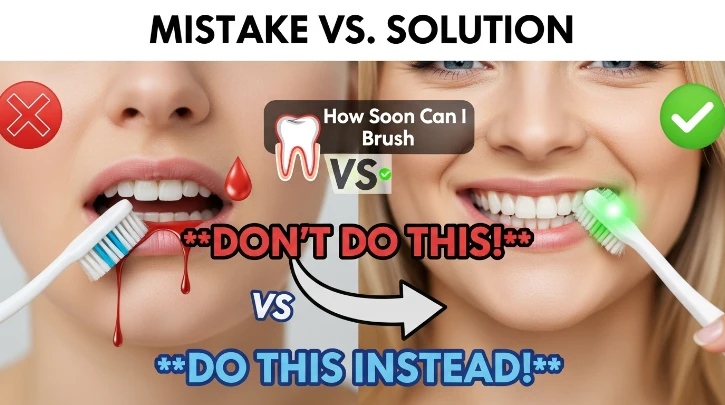
You can gently brush your teeth after a tooth extraction, but you must wait at least 24 hours before cleaning near the extraction site. The first day requires extreme care to protect the vital blood clot. After this initial period, you can start very carefully, light brushing around the area, avoiding direct contact with the healing socket. Ignoring these simple rules puts your healing at risk. Imagine facing more pain, delays, or even a dreaded dry socket! Your comfort and quick recovery depend on following these crucial steps. Keep reading to discover how to brush safely and ensure your mouth heals perfectly.
Understanding Your Tooth Extraction
A tooth extraction means removing a tooth from its socket in the bone. This common dental procedure happens for many reasons. These include severe decay, infection, or overcrowding. Your dentist works to make this process as smooth as possible.
What Happens During a Tooth Extraction?
During an extraction, your dentist first numbs the area. You will feel no pain, only pressure. They then use special tools to loosen and remove the tooth. The goal is a clean removal with minimal trauma. You might hear some cracking sounds. This is normal and nothing to fear. The entire process is usually quick and efficient. Your dentist gives you specific instructions for aftercare.
The Importance of the Blood Clot
After your tooth comes out, a vital blood clot forms in the empty socket. This clot is your body’s natural bandage. It protects the exposed bone and nerves. It also provides the foundation for new tissue to grow. Keeping this clot in place is the single most important part of early healing. Disturbing it can lead to complications, like a dry socket. Your actions, especially how you clean your mouth, directly impact this clot’s survival. Protect it at all costs.
The Golden Rule: When to Brush
Knowing when and how to brush your teeth after an extraction is crucial. Your healing timeline guides this process. Following the right steps prevents painful complications. This ensures a quicker return to your normal routine.
The Immediate Aftermath: First 24 Hours
The first 24 hours after your extraction are the most critical. During this time, you must not brush near the extraction site. Do not rinse your mouth vigorously. Do not spit forcefully. These actions can dislodge the blood clot. You can gently brush other teeth, far from the healing area. Be careful not to let toothpaste foam reach the socket. Keep your head elevated when resting. Avoid strenuous activities. Drink plenty of cool fluids. Soft foods are your best friend during this period. Your primary focus remains on clot formation and stability. This initial period sets the stage for everything else.
Gentle Cleaning Starts: Days 2-7
After the first 24 hours, you can begin very gentle oral care. This does not mean brushing directly on the wound. Use a soft-bristled toothbrush. Brush your other teeth as usual. When you get near the extraction site, be extremely careful. Do not touch the socket itself. Brush the teeth adjacent to it very lightly. Focus on removing food particles. Your goal is cleanliness without disruption. Rinse your mouth gently with warm salt water. Do this after meals and before bed. The salt water helps keep the area clean. It also promotes healing. Continue to eat soft foods. Avoid straws, as sucking can dislodge the clot.
Back to Normal: Week 2 and Beyond
By the second week, healing should be well underway. The initial clot should be stable. You can gradually return to your normal brushing routine. Continue to use a soft toothbrush for a while. You might still feel some tenderness at the site. This is normal. Your mouth is still working to fully repair itself. As the weeks pass, the gum tissue will close over the socket. Bone will begin to fill in. Always listen to your body. If brushing causes any pain, stop. Consult your dentist if you have concerns. Full healing can take several weeks or even months for the bone. Your dentist will guide you on when it’s safe to resume all activities.
The table below outlines the general brushing timeline for most patients.
| Timeframe After Extraction | Brushing Guidance | Key Action to Remember |
|---|---|---|
| First 24 Hours | Avoid brushing the extraction site. Gently brush the other teeth away from the area. | Protect the blood clot. |
| Days 2-7 | Brush gently around the extraction site, but not directly on it. Use a soft-bristled brush. | Clean without disturbing the clot. |
| Week 2 and Beyond | Gradually return to normal brushing. Continue ga entle approach at the site. | Resume routine as pain allows. |
Brushing Smart: Techniques and Tools
Choosing the right tools and using proper techniques makes a big difference. They help protect your healing mouth. Smart brushing prevents setbacks. It ensures a clean and healthy environment for recovery.
Your Toothbrush Choice
The type of toothbrush you use matters greatly. Opt for a soft-bristled toothbrush. Hard bristles can irritate the healing tissues. They might also dislodge the protective blood clot. Many dentists recommend extra-soft toothbrushes. Electric toothbrushes can be used. However, you must use them on a very low setting. Avoid placing the vibrating head directly on the extraction site. A manual, soft brush often gives you more control. This control is essential for delicate cleaning around the wound.
The Right Way to Brush
Brushing gently is key. Hold your toothbrush at a 45-degree angle to your gums. Use small, circular motions. Clean all surfaces of your teeth. When you approach the extraction site, angle the bristles away. Brush the teeth next to the empty socket, but do not poke or scrub the hole. Think of it as carefully cleaning around a fragile area. Do not spit forcefully after brushing. Let the water and toothpaste dribble out. This prevents pressure that could dislodge the clot. Take your time. Be patient with yourself. Healing takes time and gentle care.
Toothpaste Considerations
Most regular toothpastes are fine to use. Avoid any toothpaste with harsh abrasives. Whitening toothpastes can sometimes be more abrasive. If you experience sensitivity, try a sensitive toothpaste. The most important thing is the mechanical action of brushing. The toothpaste itself plays a secondary role in this specific recovery period. After brushing, you will want to rinse. Remember to rinse very gently, without swishing hard. Let the water passively move around your mouth. Then, let it spill out.
Beyond Brushing: Other Oral Care
Brushing is just one part of your post-extraction care. Other habits also influence your healing. Taking a holistic approach speeds up recovery. It reduces your risk of complications.
Rinsing for Healing
Gentle rinsing becomes a critical part of your routine after the first 24 hours. Your dentist may suggest a warm saltwater rinse. Mix half a teaspoon of salt into a glass of warm water. Swish it very gently for about 30 seconds. Do not gargle or spit forcefully. Let the water just fall out of your mouth. Salt water helps reduce bacteria. It also soothes irritated tissues. Repeat this rinse several times a day. Do it especially after meals. This helps keep the extraction site clean. Some dentists might prescribe a special antiseptic mouthwash. Use this only as directed. Avoid alcohol-based mouthwashes. They can irritate the healing area.
Flossing Around the Site
Flossing is still important for the rest of your mouth. You can floss your other teeth as you normally would. Be very careful near the extraction site. Do not floss directly into the empty socket. Avoid pulling floss across the wound. Floss only where it feels comfortable. Your goal is to remove food particles from between your healthy teeth. This prevents new problems while your main site heals. If flossing causes any pain, stop immediately. Wait a few more days before trying again in that area.
Diet and Drinks
What you eat and drink impacts your healing directly. Stick to soft foods for the first few days. Examples include yogurt, soup, mashed potatoes, and smoothies. Avoid crunchy, chewy, or hot foods. Foods like nuts, popcorn, or chips can get stuck in the socket. This can cause pain or infection. Hot foods and drinks can increase bleeding. Do not drink through a straw. The sucking motion creates negative pressure. This pressure can dislodge the blood clot. Avoid alcohol and smoking. Both can delay healing. Alcohol can interact with pain medication. Smoking significantly increases the risk of dry socket. Drink plenty of water. Stay hydrated to support your body’s healing process.
Avoiding Bad Habits
Certain habits can hinder your recovery. Do not touch the extraction site with your fingers or tongue. This introduces bacteria. It can also dislodge the clot. Avoid excessive talking or chewing. Rest your mouth as much as possible. Do not engage in strenuous physical activity for a few days. Increased blood pressure can cause bleeding. If you smoke, try to stop or at least drastically reduce it. Smoking is a major risk factor for dry socket. It also slows overall healing. Protecting the clot and keeping the area clean are your top priorities.
Following these simple guidelines will greatly aid your recovery.
| Action | Do’s | Don’ts |
|---|---|---|
| Brushing | Use a soft brush, and brush the other teeth gently. | Brush directly on the extraction site for 24 hours. |
| Rinsing | Gently rinse with warm salt water after 24 hours. | Swish forcefully, use alcohol mouthwash. |
| Eating | Eat soft, cool foods. | Eat crunchy, hot, spicy, or chewy foods. |
| Drinking | Drink plenty of water. | Use straws, drink alcohol. |
| Activities | Rest, keep your head elevated. | Smoke, exercise vigorously, and touch the site. |
When Things Go Wrong: Warning Signs
Most extractions heal without problems. But sometimes, issues can arise. Knowing the warning signs helps you act quickly. Early action prevents bigger complications.
Dry Socket Explained
A dry socket is a painful condition. It happens when the blood clot dislodges too early. It leaves the bone and nerves exposed. You will feel a throbbing, aching pain. This pain often starts 3-5 days after the extraction. It can spread to your ear or temple. You might also notice a bad taste or smell in your mouth. Dry socket is not an infection, but it needs treatment. Your dentist can pack the socket with a medicated dressing. This provides relief and promotes healing. Preventing dry socket means protecting that clot. Follow all post-op instructions carefully.
Signs of Infection
Infection is another possible complication. Watch for increasing pain, not getting better. Look for swelling that gets worse after 2-3 days. You might see pus or a bad discharge. Fever can also be a sign of infection. Redness around the site that spreads is concerning. A persistent bad taste in your mouth also points to trouble. If you notice any of these signs, contact your dentist. They can prescribe antibiotics. Early treatment prevents the infection from spreading.
When to Call Your Dentist
Always trust your instincts. Call your dentist if you experience:
- Severe pain that does not go away with medication.
- Bleeding that does not stop after applying pressure for 30 minutes.
- Pus or signs of infection.
- Fever.
- Swelling that worsens after 2-3 days.
- Difficulty breathing or swallowing.
- Numbness that does not go away.
Your dentist is there to help you. Do not hesitate to reach out with any concerns. It’s always better to be safe than sorry.
Long-Term Healing and Maintenance
Healing after a tooth extraction is a journey. It takes more than just a few days. Understanding the full recovery timeline helps you manage expectations. It encourages continued good oral habits.
Full Recovery Timeline
Initial healing, where the blood clot is stable, takes about 1-2 weeks. During this time, the gum tissue starts to close over the socket. Complete soft tissue healing can take 3-4 weeks. The bone beneath the gum takes much longer. It can take several months, sometimes up to six months, for the bone to fully regenerate and fill the socket. Your mouth adapts to the missing tooth. If you had a wisdom tooth removed, the bone healing process is similar. Discuss options for replacing the missing tooth, like implants or bridges, with your dentist later on. This ensures your overall dental health.
Keeping Your Mouth Healthy
Even after the extraction site heals, maintaining good oral hygiene is vital. Brush and floss regularly, twice a day. Use fluoride toothpaste. Visit your dentist for regular check-ups and cleanings. These preventive measures keep all your remaining teeth healthy. They prevent future dental problems. A healthy mouth contributes to overall body health. Make your dental care a priority for life. Your efforts now ensure a healthier future smile.
Brushing your teeth carefully after a tooth extraction is a small but mighty step in your recovery. By waiting 24 hours, using a soft brush, and cleaning gently, you protect the crucial blood clot. Following all your dentist’s aftercare instructions helps prevent painful complications like dry socket or infection. Remember, patience and proper care lead to a smoother, quicker healing process. Your beautiful smile and comfort are worth every gentle effort.
Frequently Asked Questions
Can I use mouthwash after a tooth extraction?
You should avoid using regular mouthwash for at least 24 hours after extraction. After that, your dentist may recommend a gentle warm salt water rinse. Avoid alcohol-based mouthwashes as they can irritate the healing tissue.
What kind of pain is normal after extraction?
It’s normal to feel some pain and discomfort for a few days after extraction. This pain should lessen over time and be manageable with prescribed or over-the-counter pain relievers. Increasing or severe pain could be a sign of a complication.
When can I eat normally after extraction?
Stick to soft foods for the first few days after your extraction. You can gradually reintroduce more solid foods as comfort allows, typically within a week. Avoid crunchy or very chewy foods until the site is well-healed.
Is it okay to smoke after a tooth extraction?
No, you should avoid smoking completely for at least 72 hours, and ideally for a week or more, after a tooth extraction. Smoking significantly increases your risk of developing a dry socket and slows healing.
How do I know if I have a dry socket?
A dry socket typically causes a severe, throbbing pain that starts 3-5 days after the extraction and may radiate to your ear or temple. You might also notice a bad taste or odor in your mouth. The empty socket may appear grey or white instead of dark red.
Disclaimer: This article provides general information and is not a substitute for professional medical advice. Always consult your dentist or healthcare provider for any health concerns or before making any decisions related to your health or treatment. The information contained herein is for educational purposes only and should not be used to diagnose or treat a health problem or disease.