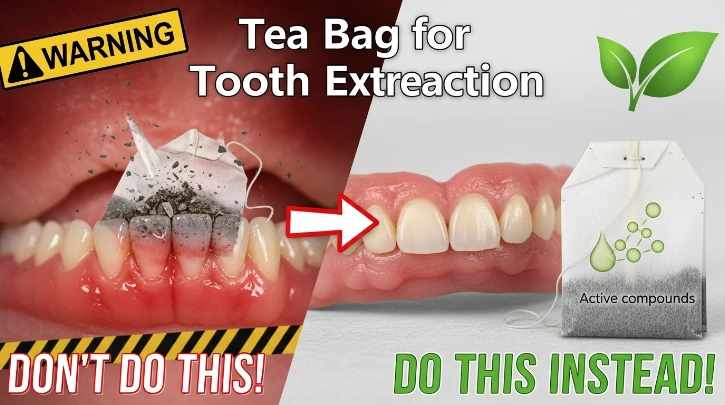
To be absolutely clear, you should never use a tea bag for tooth extraction. Trying to pull out your own tooth can lead to severe pain, serious infection, and permanent damage to your mouth. Tea bags are not a tool for removing teeth. Instead, they offer a natural, soothing way to help manage common discomforts like bleeding and swelling after a dentist has safely removed your tooth. Do not put your smile and overall health at risk by attempting to extract a tooth yourself. Keep reading to discover the safe and proper ways to use tea bags for healing after a professional dental procedure, and understand why professional dental care is always essential for your well-being. The consequences of self-extraction can be devastating; learn how to protect yourself and heal correctly.
Why You Should Never Extract Your Own Tooth
Attempting to remove your own tooth is extremely dangerous. Your teeth are firmly set in your jawbone. They are held in place by strong ligaments and roots. Trying to pull a tooth at home can break it, leaving roots behind. This creates a much bigger problem than you started with.
Self-extraction causes intense pain. It can also lead to severe infections. These infections can spread to other parts of your body. They might even reach your bloodstream. This could become life-threatening. A dentist uses sterile tools and proper techniques. They ensure your safety and minimize complications. Trust a professional with your dental health. Your well-being depends on it.
The Dangers of DIY Tooth Removal
Removing a tooth without professional help carries many risks. You might not fully remove the tooth. Pieces could break off and stay embedded. This can lead to ongoing pain. It also makes future dental work much harder. Always seek professional dental care for tooth extraction.
- Infection Risk: Your mouth has many bacteria. Non-sterile tools or unclean hands introduce more. This greatly increases the chance of infection.
- Nerve Damage: Nerves run through your jaw. Pulling a tooth incorrectly can damage these nerves. This can cause lasting numbness or pain in your face.
- Jaw Bone Damage: Your jawbone is strong, but can be injured. Forceful attempts to remove a tooth can fracture your jaw. This requires serious medical intervention.
- Excessive Bleeding: Dentists know how to control bleeding. At home, you might bleed a lot. This could be hard to stop.
- Systemic Health Issues: Oral infections can spread. They can affect your heart or other organs. This makes professional care vital.
Understanding these dangers is crucial. Your health is too important to take such risks. Always consult a dentist for any tooth problem. They have the training and tools to help you safely.
When Tea Bags Offer Real Help: Post-Extraction Care
While tea bags cannot extract a tooth, they are very helpful *after* a tooth has been professionally removed. They can soothe your mouth. Tea bags reduce bleeding and swelling. They offer natural relief during the healing process. This makes your recovery more comfortable.
Black tea, in particular, contains tannins. Tannins are natural compounds. They help blood clot. They also reduce inflammation. This is why many dentists suggest using them. They are a simple, accessible home remedy. Using them correctly supports your body’s natural healing. Always follow your dentist’s specific instructions. Tea bags are a helpful addition, not a replacement for medical advice.
How Tea Bags Aid Healing
Tea bags work in several ways to support healing after a tooth extraction. The natural properties in tea help to calm the affected area. They create a better environment for your gums to recover.
- Reducing Bleeding: Tannins in black tea cause blood vessels to constrict. This helps to form a clot at the extraction site. Less bleeding means a faster start to healing.
- Decreasing Swelling: Tea also has anti-inflammatory properties. These help to bring down swelling. Less swelling means less pressure and discomfort.
- Soothing Discomfort: The warmth and natural compounds can ease mild pain. This provides a gentle, comforting feeling. Chamomile tea is especially good for its calming effects.
- Antiseptic Qualities: Some teas have mild antiseptic properties. These can help keep the area clean. This reduces the risk of infection after your dentist has extracted the tooth.
It is important to remember that these benefits are for *after* a professional extraction. They are part of post-operative care. They are not a solution for tooth problems themselves.
Choosing the Right Tea for Post-Extraction Healing
Not all teas are equally effective for post-extraction care. The best choice depends on what you want to achieve. Different teas offer different benefits. Understanding these differences helps you pick the right one. This ensures you get the most out of this simple home remedy.
Black tea is often recommended first. It has the highest concentration of tannins. Chamomile is also popular for its soothing qualities. Peppermint tea offers a refreshing feel. Always ensure the tea bag is plain and unsweetened. Adding flavors or sugar can irritate the wound or promote bacterial growth.
Types of Tea and Their Benefits
The following table illustrates common tea types and their specific benefits for dental healing. Select the tea that best fits your immediate post-extraction needs.
| Tea Type | Key Benefit for Healing | Active Compound(s) |
|---|---|---|
| Black Tea | Reduces bleeding, decreases swelling | Tannins |
| Green Tea | Anti-inflammatory, antioxidant | Catechins |
| Chamomile Tea | Soothing, calming, mild anti-inflammatory | Chamazulene, bisabolol |
| Peppermint Tea | Mild pain relief, freshens breath | Menthol |
Remember to always use plain, unflavored tea. Avoid anything with added sugars or artificial ingredients. These could cause more harm than good to your healing gum tissue.
Step-by-Step Guide to Using a Tea Bag for Post-Extraction Care
Using a tea bag correctly after a tooth extraction is simple. Follow these steps carefully to ensure you get the best results. Proper application helps control bleeding and reduces discomfort effectively. This contributes to a smoother recovery.
Always wash your hands thoroughly before you start. This prevents introducing new bacteria to the sensitive area. Your dentist will provide specific instructions. Consider these steps as general guidance to complement their advice.
Preparing and Applying the Tea Bag
- Boil Water and Steep the Tea Bag: Heat water as you normally would for tea. Place a single, fresh black tea bag in a cup. Pour the hot water over it. Let it steep for several minutes, just as you would to make a drinkable cup of tea.
- Cool the Tea Bag: Once steeped, remove the tea bag. Gently squeeze out most of the excess liquid. You want the tea bag to be damp, not dripping. Let it cool completely. It should be lukewarm or room temperature. Never apply a hot tea bag to your mouth. This could cause burns and worsen your condition.
- Place the Tea Bag: Gently place the cooled, damp tea bag directly over the extraction site. Position it so it covers the entire wound.
- Apply Gentle Pressure: Bite down gently but firmly on the tea bag. Hold it in place for 30 to 60 minutes. The pressure helps to stop the bleeding. The tannins in the tea bag will also work their magic during this time.
- Repeat as Needed: If bleeding continues, you can repeat the process. Use a fresh tea bag each time. Do not reuse a tea bag. If bleeding does not stop after a few attempts, contact your dentist right away.
This method helps to form a stable blood clot. A stable clot is proper healing. It also protects the underlying bone and nerves. Take your time and be gentle with your mouth during this delicate period.
Essential Tips for a Smooth Recovery After Tooth Extraction
Beyond using tea bags, several other practices are vital for a smooth recovery. Following these guidelines helps prevent complications. It also speeds up your healing process. Proper aftercare is just as important as the extraction itself.
Your dentist will provide detailed post-operative instructions. These tips reinforce common advice given by dental professionals. Always prioritize your dentist’s instructions. They know your specific case best.
General Aftercare Guidelines
- Avoid Disturbing the Clot: The blood clot at the extraction site is crucial. Do not poke it with your tongue or fingers. Avoid vigorous rinsing, spitting, or using straws for the first 24-48 hours. This can dislodge the clot. A dislodged clot leads to a painful condition called “dry socket.”
- Manage Pain and Swelling: Take prescribed pain medication as directed. Apply an ice pack to your cheek outside the extraction area. Use it for 15-20 minutes at a time. This helps reduce swelling and discomfort.
- Eat Soft Foods: Stick to soft, easy-to-chew foods. Yogurt, mashed potatoes, and soup are good choices. Avoid crunchy, hard, or spicy foods. These can irritate the wound.
- Maintain Oral Hygiene: Gently brush your teeth, but avoid the extraction site directly for the first day. After 24 hours, you can rinse gently with warm salt water. Mix half a teaspoon of salt in a glass of warm water. Swish gently and let it flow out; do not spit vigorously.
- Rest: Get plenty of rest. Avoid strenuous activities for a few days. Elevate your head with pillows when lying down. This can help reduce swelling.
- Avoid Smoking and Alcohol: Smoking can significantly delay healing. It increases the risk of dry socket and infection. Alcohol can also interfere with healing and medications. Avoid both for at least several days.
Following these steps carefully will greatly improve your comfort. It will also ensure a faster, healthier recovery. Proper care protects your new smile and overall health. For more detailed information on post-operative care, you can refer to resources like the American Dental Association’s guidelines on post-operative care.
Recognizing When to Seek Professional Help
While home care and tea bags can help, some symptoms require immediate dental attention. Knowing when to call your dentist is crucial. It can prevent minor issues from becoming major problems. Do not hesitate to contact your dental professional if you notice anything unusual.
Your body sends signals when something is wrong. Pay close attention to these warning signs. Early intervention can make a big difference in your recovery outcome. Never try to self-diagnose severe issues.
Warning Signs That Need a Dentist
If you experience any of these signs, contact your dentist right away:
- Severe or Increasing Pain: Mild discomfort is normal. But if pain gets much worse or doesn’t go away with medication, call your dentist. This could be a sign of infection or dry socket.
- Persistent Bleeding: Some oozing is normal for 24 hours. But if heavy bleeding continues or starts again, seek help. A damp tea bag might not be enough.
- Fever or Chills: These are signs of infection. Infections need professional treatment, usually with antibiotics.
- Swelling That Worsens: Some swelling is expected. But if it increases after 2-3 days, or spreads to your face or neck, contact your dentist.
- Pus or Foul Taste/Smell: These are clear signs of infection. Pus is a thick, yellowish discharge. A bad taste or smell from the extraction site indicates a problem.
- Numbness That Doesn’t Go Away: Some temporary numbness from anesthesia is normal. But if numbness persists for several hours or days, inform your dentist. This might indicate nerve irritation.
It is always better to be safe than sorry. Your dentist is there to help you. They can assess your situation and provide the right treatment. Trust their expertise to guide your healing. For further information about oral health conditions, you might find valuable resources from institutions like the National Institute of Dental and Craniofacial Research (NIDCR).
Prevention is the Best Medicine: Protecting Your Teeth
The best way to avoid tooth extractions altogether is through proper prevention. Regular dental care keeps your teeth and gums healthy. It prevents issues that might lead to extractions. A proactive approach saves you pain and money in the long run.
Good habits start early. They continue throughout your life. Make dental health a priority. It impacts your overall health and well-being. A healthy smile is a happy smile.
Key Practices for Lifelong Oral Health
Protecting your teeth involves simple, consistent actions:
- Brush Twice Daily: Use a fluoride toothpaste. Brush for two minutes each time. This removes plaque and food particles.
- Floss Daily: Flossing cleans between your teeth. It reaches places your toothbrush cannot. This prevents cavities and gum disease.
- Regular Dental Check-ups: Visit your dentist every six months. They can spot problems early. Professional cleanings remove tartar buildup.
- Limit Sugary Foods and Drinks: Sugar feeds bacteria in your mouth. This leads to tooth decay. Choose water over sugary beverages.
- Avoid Tobacco Products: Smoking and chewing tobacco harm your gums and teeth. They increase the risk of gum disease and oral cancer.
- Wear a Mouthguard: If you play sports, protect your teeth. A mouthguard prevents injuries. If you grind your teeth at night, a nightguard can help.
These simple steps make a huge difference. They help you keep your natural teeth for life. A healthy mouth contributes to a healthy body. Invest in your oral health today. Organizations like the Centers for Disease Control and Prevention (CDC) offer comprehensive resources on maintaining good oral hygiene.
In conclusion, while tea bags are a wonderful natural aid for soothing post-extraction discomfort and controlling minor bleeding, they are absolutely not a tool for tooth extraction itself. Always prioritize professional dental care for any tooth removal. Your health and safety depend on it. Use tea bags responsibly as part of your recovery, following your dentist’s expert advice. A beautiful, healthy smile is always worth professional care.
Frequently Asked Questions About Tooth Extraction and Tea Bags
Can I use any type of tea bag for bleeding?
Black tea bags are best for controlling bleeding due to their high tannin content. Green tea can also help, but black tea is generally more effective for clot formation.
How long should I keep a tea bag on the extraction site?
Hold the damp, cooled tea bag gently on the extraction site for 30 to 60 minutes. Repeat with a fresh tea bag if bleeding continues after the first application.
Can tea bags prevent dry socket?
Tea bags directly help with bleeding and swelling, which supports clot formation. A stable clot helps prevent dry socket, but tea bags alone are not a guarantee. Follow all post-operative instructions from your dentist carefully to prevent dry socket.
Is it safe to use a hot tea bag?
No, never use a hot tea bag directly on your extraction site. The heat can cause burns and increase bleeding. Always cool the steeped tea bag to lukewarm or room temperature before applying.
When should I contact my dentist after using a tea bag?
Contact your dentist immediately if bleeding does not stop after several attempts with a tea bag, or if you experience severe pain, fever, increasing swelling, or pus. These are signs that require professional medical attention.
Disclaimer: This article provides general information and is not a substitute for professional medical or dental advice. Always consult with a qualified dentist or healthcare provider for any health concerns or before making any decisions related to your health or treatment. Attempting self-extraction of a tooth can lead to serious complications and is strongly discouraged.