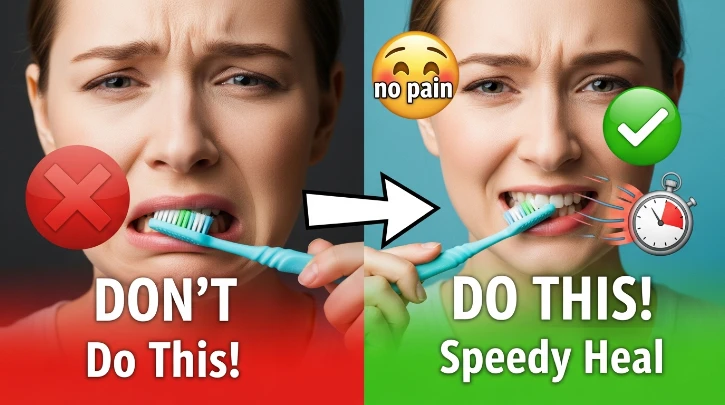
You must wait at least 24 hours after a tooth extraction before you gently brush any teeth near the extraction site. For other teeth not directly next to the extraction, you can brush them carefully, avoiding the surgical area. This initial waiting period is crucial for a vital blood clot to form and protect the healing socket.
Ignoring this simple rule can turn your healing journey into a painful nightmare. Imagine intense throbbing, unbearable pain, and a much longer recovery. Don’t let a simple mistake lead to complications like dry socket. Keep reading to learn exactly how to protect your healing smile and ensure a smooth, quick recovery. Your future comfort depends on it!
Understanding Your Tooth Extraction Journey
A tooth extraction means a dentist removes a tooth from its socket in the bone. This process is common for many reasons. Sometimes a tooth is too damaged to save. Other times, crowding or infection makes removal necessary. Your body then starts an amazing healing process.
Proper care after this procedure is incredibly important. It helps prevent problems like infection or a painful dry socket. Following your dentist’s instructions ensures you heal well. Your actions right after surgery make a big difference.
The Critical First 24 Hours: A Gentle Touch is Key
The first 24 hours after your tooth extraction are the most important for healing. During this time, your body works to form a protective blood clot. This clot acts like a natural bandage. It covers the empty socket and keeps it safe. Disturbing this clot can cause serious pain and delay your recovery.
Avoid brushing the extraction area directly during these first 24 hours. You can still gently brush other teeth, but be very careful. Do not let your toothbrush touch the surgical site. Also, avoid spitting forcefully or using straws. These actions create suction, which can dislodge the crucial blood clot.
Following these simple guidelines helps your healing process. It protects the vital blood clot. This clot is your body’s first step to getting better.
| What to Do | What to Avoid |
|---|---|
| Gently bite on gauze. | Brushing the extraction site. |
| Take pain medicine as directed. | Spitting or rinsing forcefully. |
| Apply ice packs to your face. | Using straws or smoking. |
| Eat soft, cool foods. | Hot or crunchy foods. |
| Rest with your head elevated. | Strenuous activity. |
Why Your Blood Clot is a Superhero
The blood clot that forms after your extraction is truly amazing. It does more than just stop bleeding. This clot protects the bone and nerves underneath. It also forms a framework for new tissue to grow. Think of it as the foundation for your healing.
If this clot gets knocked out too soon, you can develop a condition called dry socket. This means the bone and nerves are exposed. Dry socket is very painful. It can also lead to a longer healing time. Protecting this clot is your most important job.
Brushing After the First Day: Gently, Gently, Gently
After the first 24 hours, you can start to clean the area very carefully. It is important to keep the extraction site clean to prevent infection. But you must use the right technique. Your goal is to clean without disturbing the healing tissue.
Use a soft-bristle toothbrush for all your teeth. When you get to the extraction site, brush very, very gently. Do not scrub or push hard. Brush away from the site, not into it. Imagine you are brushing a delicate flower. You want to clean, not harm. Your dentist might suggest a specific brushing method for the first few days. Always follow their advice closely.
Choose a non-abrasive toothpaste. Harsh kinds can irritate the healing tissues. Focus on removing food particles and plaque gently. This gentle care helps your mouth stay clean while it recovers.
The Right Tools for Your Healing Smile
Picking the correct tools makes a big difference in your recovery. Your regular toothbrush might be too stiff. Look for a brush designed for sensitive gums. This helps you clean effectively without causing harm. Your dentist can recommend specific brands or types.
Beyond your toothbrush, a saltwater rinse is a powerful healing aid. It helps keep the area clean. It also reduces swelling and encourages healing. Make sure to rinse gently; do not swish forcefully. This simple rinse can be a great help.
| Product | Why It Helps | How to Use |
|---|---|---|
| Ultra-Soft Toothbrush | Gentle on healing gums, prevents clot dislodgement. | Brush gently away from the site after 24 hours. |
| Non-Abrasive Toothpaste | Less irritation for sensitive tissues. | Use with your soft toothbrush. |
| Warm Saltwater Rinse | Cleans, reduces swelling, promotes healing. | Rinse gently (no forceful swishing) after 24 hours, 2-3 times daily. |
| Prescription Mouthwash (if recommended) | Stronger germ-killing action for infection prevention. | Follow your dentist’s specific instructions. |
Beyond Brushing: Other Essential Oral Care Practices
Taking care of your mouth after an extraction involves more than just brushing. Many small habits contribute to a faster and smoother recovery. These steps support your body’s natural healing process. Pay attention to everything you put in your mouth.
Saltwater rinses are your best friend after the first day. Mix half a teaspoon of salt into a glass of warm water. Rinse gently for about 30 seconds, then let the water fall out. Do this 2-3 times a day, especially after meals. This helps keep the area clean and reduces bacteria.
Your food choices matter a lot. Stick to soft foods for the first few days. Yogurt, mashed potatoes, soups, and smoothies are good choices. Avoid anything crunchy, chewy, or hot. These foods can irritate the wound or dislodge the clot. Gradually reintroduce normal foods as you feel comfortable.
Never use a straw after an extraction. The sucking motion creates pressure. This pressure can easily pull out the blood clot. Also, avoid smoking and drinking alcohol. Smoking slows healing and increases infection risk. Alcohol can irritate the wound and interfere with medications. The American Dental Association offers detailed guidance on post-extraction care.
Give your body plenty of rest. Recovery takes energy. Avoid strenuous activities for at least 48-72 hours. Elevate your head with pillows while sleeping. This helps reduce swelling. Listen to your body and take it easy.
When to Be Worried: Signs of Complications
Most extractions heal without problems. But it’s important to know what to watch for. Being aware of warning signs can help you get help quickly. Early action can prevent minor issues from becoming major ones.
The most common complication is dry socket. This happens when the blood clot dislodges too soon. Symptoms include a severe, throbbing pain that starts a few days after surgery. You might also see exposed bone in the socket. It can also cause a bad taste or smell in your mouth. If you suspect dry socket, call your dentist right away.
Signs of infection also require attention. These include increasing pain, swelling, or redness. You might also have a fever. Pus or drainage from the site is another clear sign. Infections can be serious if not treated. The National Institute of Dental and Craniofacial Research provides further information on dry socket and other complications.
Some bleeding is normal, but excessive bleeding is not. If you soak more than a few gauze pads in an hour, contact your dentist. Also, persistent pain that does not improve with medication is a concern. Your dentist is there to help you through your recovery. Do not hesitate to call them with any questions or worries.
The Healing Timeline: What to Expect
Understanding the general healing timeline can ease your mind. Everyone heals a little differently. But there are common stages you can expect. Knowing these stages helps you manage your expectations. It also helps you gauge your progress.
The first 24-48 hours focus on clot formation and initial swelling. Pain and discomfort are usually highest during this period. By day 3-4, pain often lessens. Swelling should start to go down. In around one week, most soft tissue healing occurs. The hole will start to close. Complete bone healing takes much longer. It can be several weeks or even months. Your dentist will monitor your progress.
| Timeframe | Key Healing Events | What You Might Feel/See |
|---|---|---|
| 0-24 Hours | Blood clot forms. Initial swelling. | Bleeding, discomfort, swelling. Avoid brushing the site. |
| 24-72 Hours | Clot solidifies. Swelling peaks then begins to subside. | Pain decreases. Gentle brushing and saltwater rinses begin. |
| 1 Week | Soft tissue starts to close over the socket. | Less pain, swelling mostly gone. Can eat more solid foods. |
| 2-4 Weeks | The socket continues to fill in with new tissue and bone. | Generally pain-free. The hole is much smaller. |
| Several Months | Complete bone regeneration in the socket. | The socket is filled in. No visible hole. |
Long Term Care: Keeping Your Smile Bright
After your extraction site fully heals, maintaining good oral hygiene is still key. Regular dental check-ups are always important. They help keep your remaining teeth healthy. They also allow your dentist to monitor your overall oral health. Learn more about long-term dental health and options like dental implants from the American Dental Education Association.
If the extracted tooth was visible, you might consider replacing it. Options like dental implants or bridges can restore your smile. Discuss these choices with your dentist. They can help you decide what is best for your unique situation. Investing in long-term care protects your smile for years to come.
Your tooth extraction recovery depends on your careful actions. Remember, gentle care, especially with brushing, is paramount. Protect that vital blood clot. Follow your dentist’s instructions closely. By being diligent, you ensure a smoother, faster healing process. Your beautiful, healthy smile is worth every bit of effort. Take care of it now, and it will take care of you later!
Frequently Asked Questions
Can I use mouthwash after a tooth extraction?
After the first 24 hours, you can use a warm saltwater rinse to keep the area clean. Avoid commercial mouthwashes that contain alcohol for several days, as they can irritate the healing tissue. Always rinse gently, without forceful swishing or spitting.
What if I accidentally brush the extraction site too soon?
If you accidentally brush the site gently, don’t panic. Just be more careful moving forward. If you brush hard or cause bleeding, stop immediately and contact your dentist if you have concerns about the blood clot or excessive pain.
When can I eat normally after a tooth extraction?
Start with soft foods for the first few days. Gradually reintroduce harder foods as your discomfort decreases and the site heals. Most people can return to a more normal diet within a week, but listen to your body and avoid chewing directly on the extraction site.
Is it normal to have pain for several days?
Yes, some pain and discomfort are normal for a few days after an extraction. This usually lessens with time and can be managed with prescribed or over-the-counter pain medication. If pain worsens significantly or doesn’t improve, contact your dentist.
Disclaimer: This article provides general information and is not a substitute for professional medical or dental advice. Always consult with your dentist or a qualified healthcare provider for any health concerns or before making any decisions related to your health or treatment.