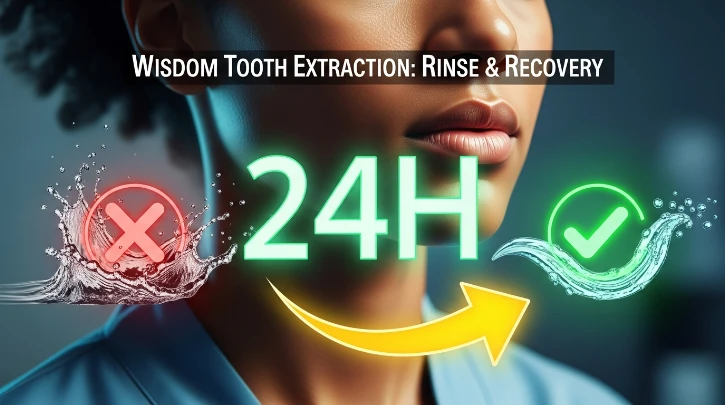
You can start rinsing your mouth gently with a saltwater solution 24 hours after your wisdom tooth extraction. Do not rinse before this time. Early rinsing can dislodge the crucial blood clot, leading to a painful dry socket. This simple step is vital for healing.
Are you worried about pain? Do you fear a slow recovery? Ignoring proper rinsing instructions can lead to serious complications. Don’t risk more pain or a longer healing time. Keep reading to discover exactly how to rinse, what to use, and what mistakes to avoid. Protect your healing and ensure a smooth recovery. Your comfort depends on it.
The First 24 Hours: A Gentle Start to Healing
The first 24 hours after your wisdom tooth extraction are crucial. During this time, your body works to form a protective blood clot. This clot is essential for proper healing. Protecting it is your top priority.
Why Waiting is Key for Your Blood Clot
Your surgical site needs time to begin healing. A blood clot forms in the empty socket. This clot acts like a natural bandage. It protects the bone and nerves underneath.
Do not disturb this clot. Any strong suction or swishing can pull it out. Losing the blood clot causes a painful condition called dry socket. This condition delays healing. It can also cause significant discomfort.
What to Avoid Immediately After Surgery
Many common actions can dislodge your blood clot. You must avoid them for a full day. These precautions help ensure a smooth start to your recovery.
- Do not rinse your mouth.
- Do not spit forcefully.
- Avoid drinking through a straw.
- Do not smoke or vape.
- Skip alcoholic beverages.
These actions create suction or pressure. This pressure can easily remove your protective clot. Patience in the first 24 hours prevents many problems.
Beyond Day One: Careful Cleaning Begins
After the first 24 hours, you can start gentle rinsing. This step helps keep your mouth clean. It removes food particles and bacteria. Proper rinsing supports healing and prevents infection.
Saltwater Rinse: Your Best Friend for Healing
A warm saltwater rinse is the best choice. It is natural and effective. Saltwater cleanses the wound gently. It also helps reduce swelling. This rinse creates a healthy environment for healing.
How to Make Your Saltwater Rinse
Making a saltwater rinse is simple. You likely have the ingredients at home. Use warm water, not hot or cold. Warm water is soothing. It also helps dissolve the salt better.
The following shows how to prepare your rinse:
- Use 8 ounces of warm water.
- Add 1/2 teaspoon of table salt.
- Stir until the salt dissolves completely.
This simple solution provides powerful healing benefits. Prepare a fresh batch each time you rinse.
How to Rinse Gently
Gentle rinsing is crucial. You do not want to dislodge the blood clot. Instead of vigorous swishing, use a softer motion. Let the solution do the work.
Follow these steps for gentle rinsing:
- Take a small amount of saltwater into your mouth.
- Tilt your head side to side gently over the sink.
- Allow the solution to flow over the extraction site.
- Let the rinse fall out of your mouth into the sink.
- Do not spit forcefully.
Repeat this process several times. Do it especially after meals and before bed. This keeps the area clean without harming the clot.
Frequency of Rinsing for Optimal Results
Rinsing regularly is important. It maintains a clean healing environment. Your surgeon may provide specific instructions. Generally, a few times a day is recommended.
Consider rinsing after you eat. Food particles can get trapped. Rinsing helps flush them away. Rinsing before bed also removes accumulated bacteria. Consistency supports faster recovery.
Other Rinsing Options and What to Avoid
While saltwater is usually best, other options exist. Your dentist might prescribe a special mouthwash. Always follow their specific advice. Some mouthwashes can irritate the healing site.
Prescription Mouthwashes: When to Use Them
Your dentist might prescribe a chlorhexidine rinse. This is an antiseptic mouthwash. It helps kill bacteria in your mouth. Chlorhexidine can be very helpful for preventing infection.
Use it exactly as directed by your surgeon. Do not use more often than prescribed. Overuse can cause side effects. These include staining teeth or changing your taste.
Over-the-Counter Mouthwashes: Use Caution
Many over-the-counter mouthwashes contain alcohol. Alcohol can irritate and dry out the extraction site. It may also delay healing. Avoid these mouthwashes. They are not suitable for post-extraction care.
Some mouthwashes are alcohol-free. Even these should be used with caution. Stick to saltwater or prescribed rinses first. Consult your dentist before using any other product.
The following compares different rinse types for post-extraction care.
| Rinse Type | Recommended Use | Benefits | Cautions |
|---|---|---|---|
| Warm Saltwater | Starting 24 hours post-op | Natural, gentle, reduces swelling, cleanses | None, if used gently |
| Prescription Chlorhexidine | As directed by the dentist | Antiseptic, prevents infection | Can stain teeth, alter taste, irritation if overused |
| Alcohol-Based OTC Mouthwash | Avoid completely | None for healing | Irritates wound, dries tissue, delays healing |
| Alcohol-Free OTC Mouthwash | Use with caution; consult a dentist | Some can freshen breath | May contain irritating ingredients; saltwater is safer |
Always prioritize your dental professional’s advice. They know your specific needs best. Your healing depends on correct care.
Common Mistakes to Avoid While Rinsing
Even with good intentions, mistakes can happen. Knowing what to avoid is as important as knowing what to do. These errors can set back your recovery. They can also lead to more pain.
Rinsing Too Soon: The Dry Socket Risk
The biggest mistake is rinsing before 24 hours. This increases your risk of dry socket. Dry socket happens when the blood clot dislodges. It exposes the bone and nerves. This causes intense, throbbing pain.
Pain often radiates to your ear or neck. It is a serious complication. Waiting for that first full day is critical. It protects your healing and prevents unnecessary suffering.
Forceful Rinsing or Spitting
Using too much force is another common error. Swishing vigorously or spitting hard creates suction. This suction can pull out your blood clot. Always rinse gently. Let the water fall out of your mouth naturally.
Treat your mouth delicately. Your gums and jaw are healing. Rough actions can cause damage. Be patient and gentle with your recovery process.
Using the Wrong Mouthwash
As discussed, not all mouthwashes are safe. Alcohol-based rinses are harmful. They irritate the surgical site. Strong chemicals can also interfere with healing.
Stick to warm saltwater. Use a prescribed rinse only if told to do so. When in doubt, ask your dentist. They can guide you to the safest options.
Understanding Your Healing Journey
Healing after wisdom tooth extraction is a process. It takes time and careful attention. Knowing what to expect helps you manage your recovery. Each day brings you closer to full health.
Timeline of Recovery: What to Expect
Your body heals in stages. Understanding these stages helps you adjust your care. The first few days are about clot protection. The following weeks are about tissue repair.
The table below outlines a general timeline for recovery after wisdom tooth extraction.
| Timeframe | Key Events & Symptoms | Oral Care Focus |
|---|---|---|
| Day 1 | Bleeding, swelling, and mild pain. Blood clot forms. | No rinsing, no spitting, rest. Apply ice. |
| Days 2-3 | Swelling peaks, pain subsides. Clot is firm. | Gentle saltwater rinses begin (24 hrs post-op), soft diet. |
| Days 4-7 | Swelling reduces, pain lessens. | Continue gentle rinsing, and gradually introduce normal foods. |
| Week 2 | Initial healing continues. Stitches may dissolve. | Maintain good oral hygiene at, extraction site. |
| Weeks 3-4+ | Soft tissue healing is largely complete. Bone continues to fill in. | Return to normal routine, monitor for any issues. |
Remember, everyone heals differently. This timeline is a general guide. Your dentist will provide personalized advice. Listen to your body and follow your surgeon’s instructions.
Signs of Healthy Healing vs. Problems
Knowing the difference is vital. Healthy healing involves decreasing pain and swelling. You might see white tissue around the site. This is normal healing tissue.
Signs of a problem include increasing pain. Bad breath, fever, or pus are also concerning. If you notice these, contact your dentist immediately. Early intervention prevents serious complications.
Maintaining Overall Oral Hygiene
Even with an extraction site, you need to clean your other teeth. Good overall oral hygiene prevents further issues. It also helps your mouth heal faster. Be gentle near the surgical area.
Brushing Your Teeth: Gentle Approach
You can usually brush your teeth the day after surgery. Be very careful around the extraction site. Use a soft-bristled toothbrush. Avoid brushing directly on the wound for several days.
Brush your other teeth as usual. This removes plaque and food debris. A clean mouth supports your body’s healing process. A healthy mouth heals more efficiently.
Flossing and Other Tools
Flossing is also important for your other teeth. Avoid flossing near the extraction site. You do not want to disturb the delicate area. Resume normal flossing when your dentist says it is safe.
Avoid water flossers or oral irrigators near the site. The strong stream of water can dislodge the clot. Wait until the wound is fully closed before using these tools. Your dentist can advise you on when it is safe.
When to Seek Professional Help
While most wisdom tooth extractions heal smoothly, complications can arise. Knowing when to call your dentist or oral surgeon is important. Do not hesitate to reach out if you have concerns.
Recognizing Signs of Complications
Some symptoms signal a need for professional attention. Do not ignore these warning signs. They could indicate an infection or other issue. Prompt action protects your health.
- Severe pain that worsens or does not improve.
- Pain radiating to your ear, temple, or neck.
- Fever or chills.
- Excessive bleeding that does not stop with pressure.
- Pus or discharge from the extraction site.
- Persistent numbness or tingling.
- Difficulty opening your mouth wide.
- Swelling that increases after 2-3 days.
These symptoms are not normal. They suggest a problem with healing. Contact your dental professional right away if you experience any of these.
Dry Socket: Understanding and Treatment
Dry socket is a common complication. It occurs when the blood clot is lost. The underlying bone and nerves are exposed. This leads to intense pain.
If you suspect dry socket, call your dentist. They can clean the socket. They may place a medicated dressing. This dressing provides pain relief and promotes healing. Treatment for dry socket is effective. It helps manage the discomfort and encourages new clot formation.
Understanding the proper steps after wisdom tooth extraction is crucial for a smooth and comfortable recovery. Gentle rinsing at the right time, coupled with careful oral hygiene, greatly supports your body’s natural healing process. By avoiding common mistakes and knowing when to seek help, you empower yourself to achieve the best possible outcome.
Frequently Asked Questions
Can I rinse with mouthwash immediately after wisdom tooth extraction?
No, you should not rinse with any mouthwash for at least 24 hours after surgery. This includes regular over-the-counter mouthwashes and even gentle ones. Rinsing too soon can dislodge the protective blood clot. This leads to a painful condition called dry socket. Wait a full day before beginning any rinsing.
How often should I rinse with saltwater after 24 hours?
After the initial 24-hour period, aim to rinse with warm saltwater 3-5 times a day. It is especially beneficial to rinse after meals and before you go to bed. This frequency helps keep the extraction site clean and free of food particles. Consistent rinsing supports healthy healing and reduces the risk of infection.
What if I accidentally rinse too soon or too forcefully?
If you accidentally rinse too soon or too forcefully, try not to panic. Monitor your symptoms closely. If you experience severe, throbbing pain, a bad taste, or foul odor from the site, contact your oral surgeon or dentist immediately. These could be signs of a dislodged blood clot or dry socket, which requires professional attention.
Is it okay to use an oral syringe to clean the socket?
Your oral surgeon might give you an oral syringe to clean the socket. This is usually recommended a few days after surgery, not immediately. Only use it if your surgeon specifically instructs you to and follow their directions carefully. Using it too soon or incorrectly can damage the healing tissue or dislodge the clot.
Can I use hydrogen peroxide to rinse my mouth after extraction?
No, you should not use hydrogen peroxide to rinse your mouth after wisdom tooth extraction. Hydrogen peroxide can be too harsh for the delicate healing tissues. It can irritate the wound and interfere with the natural healing process. Stick to warm saltwater or any specific rinse prescribed by your dentist.
Disclaimer: The information provided in this article is for general informational purposes only and does not constitute medical advice. It is not a substitute for professional medical advice, diagnosis, or treatment. Always seek the advice of your qualified healthcare provider with any questions you may have regarding a medical condition or treatment. Never disregard professional medical advice or delay in seeking it because of something you have read in this article. Individual results may vary, and the information provided may not apply to your specific circumstances. Consult your oral surgeon or dentist for personalized guidance regarding your wisdom tooth extraction recovery.