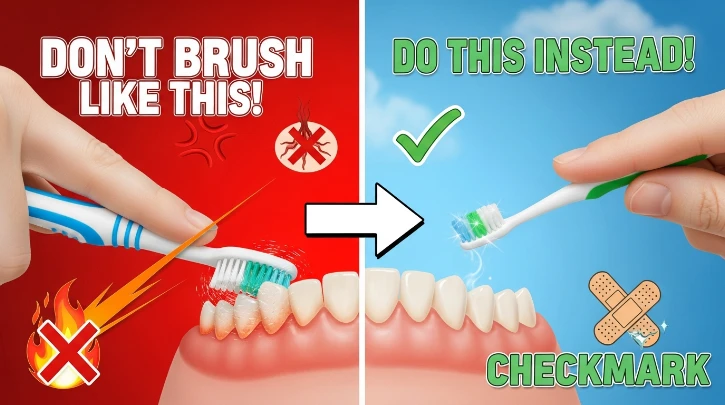
The most important thing after a tooth extraction is protecting the blood clot that forms in the empty socket. This clot is crucial for proper healing and prevents a painful condition called dry socket. **You can usually start brushing your teeth gently, avoiding the extraction site, about 24 hours after your tooth extraction.** This allows the essential blood clot to form and stabilize. Do not brush the actual extraction site for several days, and always use a soft-bristled toothbrush.
A tooth extraction can feel like a big deal. You might worry about pain, healing, and how to keep your mouth clean without causing problems. Knowing exactly when and how to brush your teeth after this procedure is super important. Brushing too soon or too hard can dislodge the protective blood clot. This can lead to a very painful complication called a dry socket. Don’t let a simple mistake turn your recovery into a nightmare. Keep reading to learn everything you need to know to heal quickly and avoid serious pain. Your comfort and speedy recovery depend on it.
Understanding Tooth Extraction Recovery
Tooth extraction involves removing a tooth from its socket in your jawbone. This procedure leaves an open wound in your mouth. Proper care afterward is key to fast healing and to prevent problems.
The first step in healing is forming a blood clot. This clot acts like a natural bandage. It protects the exposed bone and nerve endings. This clot is vital for your recovery. It helps new tissue grow and fills the space where your tooth once was.
Recovery time varies for everyone. Factors like the tooth’s size and condition play a role. Most people feel better in a few days. The jawbone, however, takes several weeks to heal completely.
Following your dentist’s instructions is crucial. These guidelines protect the clot and support healing. Ignoring them can lead to painful complications. Your dentist is your best resource for personalized advice.
The Critical First 24 Hours: Protecting Your Healing Socket
The first 24 hours after a tooth extraction are the most important for healing. Your main goal is to protect the blood clot forming in the socket. This clot is like a shield for your healing bone and nerves.
During this initial period, avoid brushing directly over the extraction site. Brushing could dislodge the clot. This can lead to a painful condition known as a dry socket. A dry socket happens when the protective clot is lost too soon. This leaves the bone and nerves exposed.
You should also avoid vigorous rinsing or spitting. These actions create suction in your mouth. This suction can easily dislodge the fragile blood clot. Do not use straws for the same reason.
Even though you cannot brush the extraction site, you can still keep other areas clean. Gently brush your other teeth away from the healing area. This helps maintain overall oral hygiene without risking the clot.
What is a Dry Socket?
A dry socket, also known as alveolar osteitis, is a painful complication after tooth extraction. It occurs when the blood clot in the socket fails to form or gets dislodged prematurely. This leaves the underlying bone and nerves exposed to air, food, and bacteria.
Symptoms of a dry socket often include severe throbbing pain. This pain usually starts a few days after the extraction. It might spread to your ear, eye, or temple. You might also notice a foul taste or smell from the empty socket.
Preventing a dry socket is crucial for a comfortable recovery. Follow all aftercare instructions carefully. These instructions aim to keep the blood clot safe and sound in its place.
Activities to Avoid in the First 24-48 Hours
Many activities can disturb the vital blood clot. Staying cautious helps your mouth heal faster. It also prevents dry socket.
Here are important actions to avoid:
- Do not smoke or use tobacco products. Smoking can reduce blood flow and hinder healing.
- Do not drink alcohol. Alcohol can delay healing and irritate the site.
- Avoid strenuous physical activity or heavy lifting. This can increase bleeding and pain.
- Do not eat hard, crunchy, or sticky foods. These can damage the clot or get stuck in the socket.
- Do not use commercial mouthwashes with alcohol. They can irritate the sensitive healing tissues.
- Do not touch the extraction site with your fingers or tongue. This can dislodge the clot or introduce bacteria.
Following these guidelines protects your healing mouth. It gives your body the best chance to recover without complications.
Gentle Brushing Techniques After Extraction
After the first 24 hours, you can begin to gently brush your teeth. Remember, the key is gentleness. Your mouth is still healing, and the extraction site remains delicate.
Use a soft-bristled toothbrush. Hard bristles can irritate your gums and the healing area. Aim for gentle, circular motions on your teeth. Focus on cleaning all areas of your mouth, but consciously avoid the extraction site itself.
Do not brush directly over the wound. This is crucial for at least a few more days. You can clean the teeth next to the site, but be very careful not to disturb the clot. As healing progresses, you can slowly get closer to the area.
When you finish brushing, avoid vigorous spitting. Instead, let the toothpaste and saliva gently drain from your mouth. Or, you can tilt your head and let warm salt water rinse out.
The table below highlights the differences between your normal brushing routine and the modified technique needed after an extraction. This guidance helps prevent complications and promotes healing.
| Feature | Normal Brushing | Post-Extraction Brushing (After 24 Hours) |
|---|---|---|
| Timing | Twice daily, often without restriction | Twice daily, after 24 hours post-extraction |
| Brush Type | Regular or soft-bristled | Soft-bristled toothbrush |
| Technique | Thorough scrubbing, firm pressure | Gentle, circular motions; light pressure |
| Extraction Site | Not applicable | Avoid direct brushing over the site |
| Rinsing/Spitting | Vigorous rinsing/spitting is common | Gentle rinsing, no forceful spitting; let liquid drain |
| Toothpaste | Any fluoride toothpaste | Mild, non-whitening fluoride toothpaste |
Saltwater Rinses: Your Healing Ally
Warm saltwater rinses are excellent for post-extraction care. They help keep the area clean and reduce bacteria. Saltwater also soothes swollen tissues.
You can start gentle saltwater rinses about 24 hours after surgery. Mix half a teaspoon of salt into a glass of warm water. Swish this solution gently in your mouth for about 30 seconds. Do not swish too vigorously. Let it drain out instead of spitting forcefully.
Repeat this rinse several times a day. It is especially helpful after meals. This helps wash away food particles from around the extraction site. Your dentist might also recommend a special antimicrobial mouthwash. Always follow their specific instructions.
Products to Use and Avoid
Choosing the right oral hygiene products is important during recovery. Some products can help, while others can harm the healing process.
Recommended Products
- Soft-bristled toothbrush: This is essential for gentle cleaning. It reduces irritation to your gums and the healing area.
- Mild fluoride toothpaste: A non-whitening toothpaste is best. Strong chemicals or whitening agents can irritate sensitive tissues.
- Warm salt water: This simple solution is a powerful aid. It cleans, soothes, and helps prevent infection.
- Prescribed mouthwash: Your dentist might give you a special antimicrobial mouthwash. Use it exactly as directed for targeted healing.
Products to Avoid
- Hard-bristled toothbrushes: These can damage the delicate blood clot and irritate the surgical site.
- Abrasive or whitening toothpastes: Their harsh ingredients can be too strong for sensitive gums after surgery.
- Alcohol-based mouthwashes: Alcohol can dry out and irritate the wound. This can slow down healing.
- Water flossers (initially): The strong stream of water can dislodge the blood clot. Wait until your dentist gives you the OK.
Always check with your dentist about specific products. They know your unique healing needs. Your careful choices make a big difference in your recovery.
Recognizing Complications: When to Call Your Dentist
While most extractions heal without major issues, it is important to know when something is wrong. Watching for certain signs can help you get help quickly if needed.
Normal side effects include some bleeding, discomfort, and swelling. Slight oozing of blood is normal for several hours. You might also have some bruising on your gums or jaw. These symptoms should slowly improve over a few days.
However, some symptoms require immediate attention from your dentist. Do not ignore these warning signs.
Contact your dentist right away if you experience:
- Severe pain that worsens instead of improving.
- Pain that spreads to your ear, eye, or temple.
- Bleeding that does not stop after applying pressure with gauze for 10-15 minutes.
- A high fever.
- Nausea or vomiting.
- Pus or foul-smelling drainage from the extraction site.
- Swelling that gets worse after 2-3 days.
- Numbness that lasts more than a few hours after the anesthetic should have worn off.
These symptoms could mean you have an infection or a dry socket. Early treatment can prevent more serious problems. Your dentist is there to help you. Do not hesitate to call if you are worried. Prompt action protects your health and speeds your recovery.
Long-Term Care and Prevention
Healing does not stop after a few days. Long-term care ensures your mouth stays healthy. It also helps prevent future dental problems.
After about a week, you should feel much better. You can slowly return to your normal brushing routine. Continue to be gentle around the extraction site for several more weeks. The area may still be tender.
Maintaining excellent oral hygiene is always important. Brush twice a day with fluoride toothpaste. Floss daily to remove food particles and plaque. This keeps your remaining teeth and gums healthy.
Regular dental check-ups are also crucial. Your dentist can monitor the healing site. They can also address any concerns you might have. Preventive care helps avoid the need for more extractions in the future.
Consider the long-term impact of your habits. Avoiding tobacco products benefits your whole mouth. Eating a balanced diet supports overall health, including your oral health.
Your oral health is a lifelong journey. Taking good care of your mouth after an extraction is a big step. It sets you up for continued health and a comfortable smile. Remember, prevention is always better than a cure.
FAQ
How long does a tooth extraction take to heal completely?
Most people feel better in a few days, often returning to routine activities within 48 to 72 hours. However, the jawbone takes several weeks to heal fully, and soft tissue can take up to two weeks.
Can I use an electric toothbrush after a tooth extraction?
Initially, it’s best to use a soft-bristle manual toothbrush to avoid disturbing the extraction site. Once the area has significantly healed, usually after a week or more, you can slowly reintroduce your electric toothbrush, still being very gentle around the healing socket.
What if I accidentally brush the extraction site?
If you accidentally brush the site, do not panic. Be extra gentle and stop immediately. Monitor the area for any signs of increased bleeding or pain. If you have concerns, contact your dentist for advice.
Can I use mouthwash after a tooth extraction?
Avoid alcohol-based mouthwashes for several days, as they can irritate the wound and slow healing. Gentle rinsing with warm salt water is generally recommended after the first 24 hours to keep the area clean.
When can I eat normally after a tooth extraction?
You should stick to soft foods for the first few days to protect the blood clot. Gradually introduce more solid foods as your comfort allows, usually within a week. Avoid hard, crunchy, or sticky foods until the site is well-healed.
What should I do if I experience pain days after extraction?
Some discomfort is normal, but if pain worsens after a few days or spreads to other areas, it could signal a dry socket or infection. Contact your dentist immediately for diagnosis and treatment.
Disclaimer: This article provides general information and is not a substitute for professional medical advice. Always consult with your dentist or oral surgeon for personalized guidance regarding your specific condition and post-extraction care. Following their instructions is crucial for a safe and effective recovery.