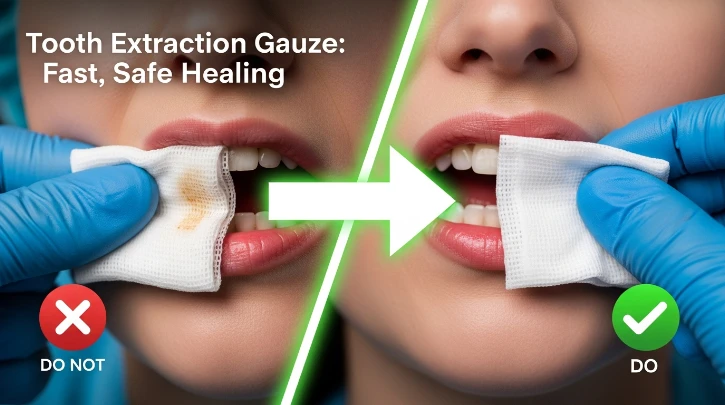
After a tooth extraction, you should change your gauze every 30 to 45 minutes, or sooner if it becomes completely soaked with blood. This frequent change helps control bleeding and lets a healthy blood clot form in the empty socket. Changing it too often, or not often enough, can slow your healing. Don’t let a simple mistake lead to painful complications. Read on to protect your healing and avoid further trouble. Your comfort and quick recovery depend on knowing these vital steps. Delaying proper care could lead to unnecessary pain. Keep reading to learn exactly how to care for your extraction site and ensure a smooth journey back to health.
Getting a tooth pulled can feel a bit scary. You want to heal quickly and without problems. A big part of this healing is knowing how to handle the gauze your dentist gives you. This guide will walk you through every step. You will learn when to change your gauze, how to do it right, and what signs to watch for. Taking proper care of your mouth now prevents bigger problems later. We will cover everything you need to know for a smooth recovery.
Understanding the First Hour: Crucial Steps for Healing
The first hour after your tooth extraction is the most important for starting the healing process. During this time, a blood clot needs to form in the empty socket. This clot acts like a natural bandage. It protects the bone and nerves underneath. Proper care in this initial phase is key to preventing problems like dry socket.
The Initial Gauze: Your First Line of Defense
Right after your tooth is removed, your dentist will place a sterile gauze pad over the extraction site. They will ask you to bite down firmly. This firm pressure is important. It helps to compress the blood vessels and encourages a blood clot to form quickly. Think of it as putting direct pressure on any cut to stop the bleeding. The gauze acts as a gentle cushion. It collects any oozing blood and keeps the area clean.
When to Swap the First Gauze Pad
You should keep the first gauze pad in place for about 30 to 60 minutes after leaving the dental office. Do not remove it too soon, even if you feel like checking it. Leaving it undisturbed allows that vital blood clot to get a strong start. If the gauze feels completely soaked with blood before 30 minutes, you can carefully remove it and replace it. Otherwise, give it time to do its job. After the first hour, you can gently remove it.
The Bleeding Journey: What to Expect
Some bleeding or oozing is completely normal after a tooth extraction. It is your body’s natural response to the surgery. Knowing what to expect with bleeding helps you manage it without worry. This normal bleeding should lessen over time. Your body is working to heal itself.
Light Bleeding: A Normal Part of Recovery
For the first 24 to 48 hours, you might notice light pink or reddish saliva. This is often just oozing, not heavy bleeding. It means a clot has formed, but some slight leakage is still happening. This is not usually a cause for concern. You can manage this with clean gauze if needed.
Heavy Bleeding: When to Seek Help
Heavy bleeding is different from light oozing. If your gauze becomes completely soaked with bright red blood very quickly, or if blood is actively dripping from the socket, it is considered heavy bleeding. This can be alarming, but it often means the gauze isn’t positioned correctly. The table below outlines typical bleeding levels you might observe and when to be concerned.
| Bleeding Type | Appearance | Action Needed |
|---|---|---|
| Normal Oozing | Pink or reddish saliva, light spotting on gauze | Change gauze every 30-45 minutes until light pink |
| Moderate Bleeding | Gauze gets saturated within 30-45 minutes, but not dripping | Replace gauze, bite down firmly for another 30-45 minutes |
| Heavy Bleeding | Gauze soaks quickly (under 15 minutes), with active dripping | Reposition gauze, bite firmly for 1 hour; if still heavy, call your dentist |
The table above illustrates the difference between normal and concerning bleeding after tooth extraction. If heavy bleeding continues after you have applied firm pressure with fresh gauze, it is important to contact your dentist immediately for advice.
How Long to Use Gauze: A Time-Based Guide
Knowing exactly how long to use gauze is a common question after a tooth extraction. You do not need to use gauze indefinitely. The goal is to stop active bleeding and allow the blood clot to secure itself. This process typically takes a few hours.
After the initial hour, if bleeding persists, you should continue to change the gauze every 30 to 45 minutes. Each time, dampen the gauze slightly, fold it into a thick pad, and place it directly over the extraction site. Then, bite down firmly and consistently. This pressure is what helps the blood clot form. The gauze can be changed when it feels saturated.
You can stop using gauze once the bleeding has slowed to a light pink tinge or has stopped entirely. This might take anywhere from 1 to 4 hours. For some people, it could take a bit longer, up to 6 hours. Do not use gauze for too long, as it can disrupt the forming clot.
Beyond the First Few Hours: When to Stop
Most patients will only need gauze for the first 2-4 hours after the extraction. Once the gauze remains clean or only shows a very light pink stain, you can stop using it. Continuous use of gauze beyond this point is not usually necessary and can sometimes even hinder the healing process. The blood clot must form and stay put. If you are unsure, always check with your dental professional. They can give you the best advice for your specific situation.
Proper Gauze Technique: Getting It Right
Using gauze correctly is just as important as knowing when to change it. The right technique ensures effective pressure on the extraction site. This helps to form a strong blood clot. A well-placed gauze pad can make a big difference in your comfort and healing speed. Taking a moment to understand these steps can prevent discomfort and complications.
Folding and Placement: Maximum Pressure
Take a fresh piece of sterile gauze and fold it into a small, thick pad. You want it dense enough to apply firm pressure. Place this pad directly over the empty socket where your tooth was removed. It should not just rest on your gums. You need to bite down firmly, but gently, on the gauze. Imagine a consistent, steady pressure. This helps compress the blood vessels in the socket. This firm pressure is what encourages the blood clot to form and stabilize.
Moistening the Gauze: A Little Trick
Many dentists suggest moistening the gauze with tap water before placing it. A slightly damp gauze pad is often more comfortable. It also helps prevent the gauze from sticking to the delicate blood clot when you remove it. This gentle trick makes the changing process much smoother. It avoids disturbing the clot, which is crucial for healing.
Gentle Removal: Protect Your Clot
When it’s time to change the gauze, do so very gently. Slowly release the pressure and carefully pull the gauze straight out. Avoid any sudden tugging or swishing motions. Disturbing the blood clot can lead to more bleeding or a painful dry socket. This gentle approach protects the fragile healing site. It keeps the vital blood clot intact.
Signs You Need More Gauze: Paying Attention to Your Body
Your body will often tell you if you need to replace the gauze. Paying close attention to these signs helps you manage bleeding effectively. Early detection of continued bleeding allows for quicker action. This helps keep your healing on track. Do not ignore persistent bleeding.
There are clear indicators that suggest it’s time for a fresh piece of gauze:
- Fully Saturated Gauze: If the gauze pad becomes completely soaked with blood before the recommended change time (30-45 minutes), it needs to be replaced. This indicates that active bleeding is still occurring.
- Bright Red Blood: Seeing bright red blood on the gauze means fresh bleeding. A light pink or brownish stain is usually normal oozing. Bright red indicates ongoing bleeding that needs attention.
- Feeling a “Wet” Sensation: If you feel a continuous wetness in your mouth, even with gauze in place, it likely means blood is still flowing. This sensation is a good cue to check your gauze.
- Visible Dripping: If you notice blood actively dripping from the extraction site into your mouth, the gauze is not stopping the flow effectively. You may need to reposition it or apply a fresh one.
- Swallowing Blood: If you are constantly swallowing blood, it means the bleeding is not controlled by the gauze. This can also make you feel nauseous.
Always prioritize these signs. When in doubt, it is always safer to replace the gauze. Consistent firm pressure on a fresh pad helps the clot form. This firm pressure is essential for your recovery.
What to Do If Bleeding Persists: Seeking Help
Sometimes, despite your best efforts, bleeding might continue longer than expected. Do not panic if this happens. There are extra steps you can take to help control persistent bleeding. Knowing these options can provide peace of mind. It also ensures you take appropriate action if needed.
Applying Firm Pressure
If bleeding persists, the first step is always to ensure you are applying firm, direct pressure. Use a fresh piece of clean gauze, folded thick. Place it directly over the extraction site and bite down hard for at least 30 to 60 minutes. Avoid checking it too often during this time. Constant checking can disrupt the forming clot. Sit upright and relax during this period. Keeping your head elevated above your heart can also help reduce blood flow to the area.
Using a Tea Bag
Black tea bags can be very effective for persistent bleeding. Black tea contains tannic acid. This acid helps constrict blood vessels and promotes clotting. Dampen a black tea bag with warm water and squeeze out any excess liquid. Wrap it in a piece of moist gauze. Place this directly over the extraction site. Bite down firmly for 20 to 30 minutes. This method often works when regular gauze alone isn’t enough.
Contact Your Dentist
If heavy bleeding continues for several hours despite these measures, it is time to contact your dentist. They can provide specific instructions or advise you to come in for an examination. Do not hesitate to call them if you are worried. They are there to help ensure your safe recovery.
After Gauze: Moving Towards Full Recovery
Once you no longer need gauze, your focus shifts to promoting overall healing. The initial blood clot is forming, but it’s still fragile. Protecting this clot is crucial for preventing complications. Your diet, activity, and oral hygiene all play a part. Taking good care of your mouth after the gauze comes out helps ensure a smooth and complete recovery.
Avoiding Dry Socket: A Key Concern
Dry socket is a painful condition that can happen if the blood clot in the extraction site becomes dislodged or dissolves too soon. It exposes the bone and nerves, causing intense pain. To prevent dry socket, avoid certain actions for at least the first 24-72 hours, and ideally longer. These include:
- Smoking: The sucking motion and chemicals can dislodge the clot and hinder healing.
- Using Straws: The suction created can pull the blood clot out of place.
- Vigorous Rinsing or Spitting: Gentle care is vital. Strong swishing can disrupt the clot.
- Strenuous Activity: Increased blood pressure can cause the clot to dislodge. Rest is key.
The table below provides a quick overview of actions to avoid to prevent dry socket.
| Action to Avoid | Reason for Avoidance |
|---|---|
| Smoking / Vaping | Suction can dislodge the clot; chemicals delay healing. |
| Using Straws | Creates suction, pulling the clot out. |
| Vigorous Rinsing/Spitting | Can forcefully dislodge the delicate clot. |
| Strenuous Exercise | Increases blood pressure, potentially dislodging the clot. |
| Alcohol/Hot Liquids | It can interfere with clot formation and healing. |
The information in this table highlights common activities that might dislodge the crucial blood clot, leading to dry socket. You will protect your healing site by carefully avoiding these actions. Remember, gentle care is essential during the recovery period. Your dentist or oral surgeon provides detailed instructions to help you avoid dry socket. The American Dental Association (ADA) offers excellent resources on post-operative care for extractions, which you can review for further guidance. ADA extraction aftercare.
Diet and Activity: Gentle Steps
For the first few days, stick to soft foods. Think yogurt, mashed potatoes, applesauce, and soup. Avoid crunchy, chewy, or hot foods that could irritate the site. Drink plenty of fluids, but avoid alcohol and very hot beverages. Limit your physical activity for at least 24 to 48 hours. Rest allows your body to focus energy on healing. Avoid bending, lifting heavy objects, or intense exercise.
Oral Hygiene: Keeping It Clean
Good oral hygiene is still important, even with an extraction site. However, be very gentle. You can brush your other teeth normally. Avoid brushing directly on the extraction site for at least 24 hours. After the first 24 hours, you can start gentle saltwater rinses. Mix half a teaspoon of salt in a glass of warm water. Rinse gently several times a day, especially after meals. Do not spit forcefully. This helps keep the area clean and reduces bacteria. Your dentist may also recommend a special mouthwash. Always follow their specific instructions.
Your journey to full recovery after a tooth extraction is a process. It requires careful attention and patience. By understanding when and how to change gauze, managing bleeding, and protecting the fragile blood clot, you empower yourself to heal successfully. Remember to listen to your body and follow your dentist’s specific instructions. Your vigilance in these early days sets the stage for a complication-free recovery. A smooth healing process ensures you get back to feeling your best self quickly.
Frequently Asked Questions
How often should I change gauze if the bleeding is very light?
If bleeding is very light, just a pink tinge, you might not need to change the gauze as often. You can stop using it once the gauze stays clean or almost clean for 30-45 minutes.
What if I run out of gauze at home?
If you run out of gauze, a clean, damp black tea bag can be used as a substitute. The tannic acid in black tea helps promote blood clotting.
Can I leave gauze in overnight after a tooth extraction?
No, you should not leave gauze in overnight. Always remove gauze before sleeping to prevent accidental choking or disruption of the blood clot.
How do I know if a blood clot has formed?
You can tell a blood clot has formed when the bleeding has significantly slowed or stopped, and the gauze is only lightly stained pink or is clean. You should also feel less wetness in your mouth.
What if the bleeding starts again after I’ve stopped using gauze?
If bleeding restarts, apply a fresh, clean piece of gauze with firm pressure for 30-45 minutes. If it’s still heavy after that, try a damp black tea bag, or call your dentist for advice.
Is it normal to have some blood in my saliva the day after extraction?
Yes, it is normal to have some slight blood in your saliva for 24 to 48 hours after the extraction. This is typically just oozing and not heavy bleeding.
Disclaimer: This article provides general information and should not be considered medical advice. Always consult your dentist or oral surgeon for personalized post-extraction instructions and any concerns regarding your healing. Individual healing times and experiences may vary. Following your healthcare professional’s specific guidance is crucial for a safe and effective recovery.